
Ultrasound Services at Metro South Medical Center
What is Ultrasound?
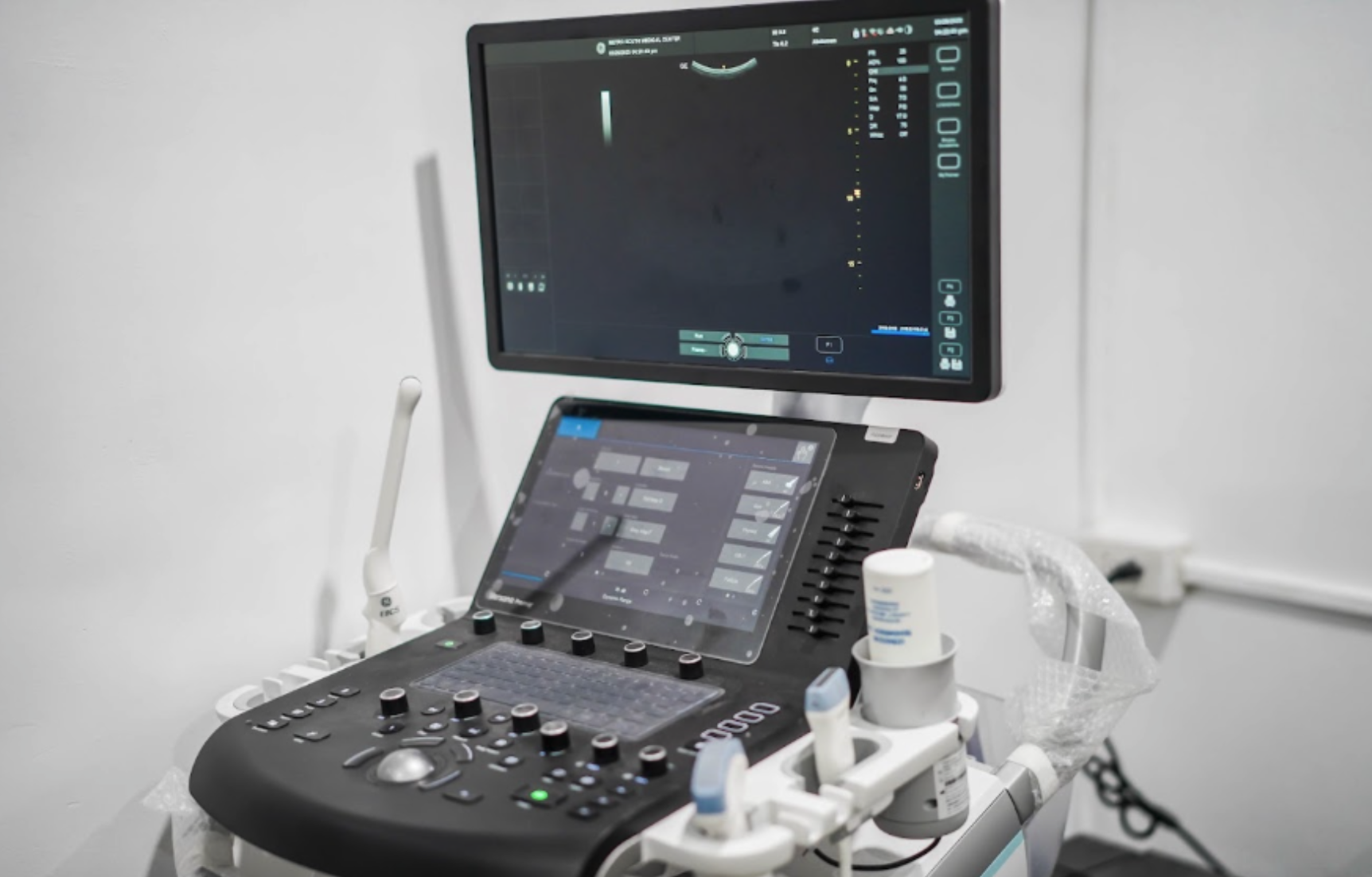
Ultrasound is a non-invasive diagnostic imaging procedure that uses high-frequency sound waves to create real-time images of organs, tissues, and structures inside the body. It does not use ionizing radiation, making it a commonly used imaging procedure for different types of patients and medical conditions.
Depending on the area being examined, ultrasound can help physicians evaluate organs, monitor certain conditions, investigate symptoms, and support diagnosis and treatment planning. At Metro South Medical Center, ultrasound services are available for different diagnostic needs, including abdominal, pelvic, pregnancy, thyroid, kidney, and vascular examinations.
Benefits of Ultrasound Imaging
Ultrasound provides several benefits as a diagnostic imaging procedure:
01. No ionizing radiation
Ultrasounds use sound waves instead of radiation. This makes it a commonly used imaging method during pregnancy when medically indicated.
02. Non-invasive and generally painless
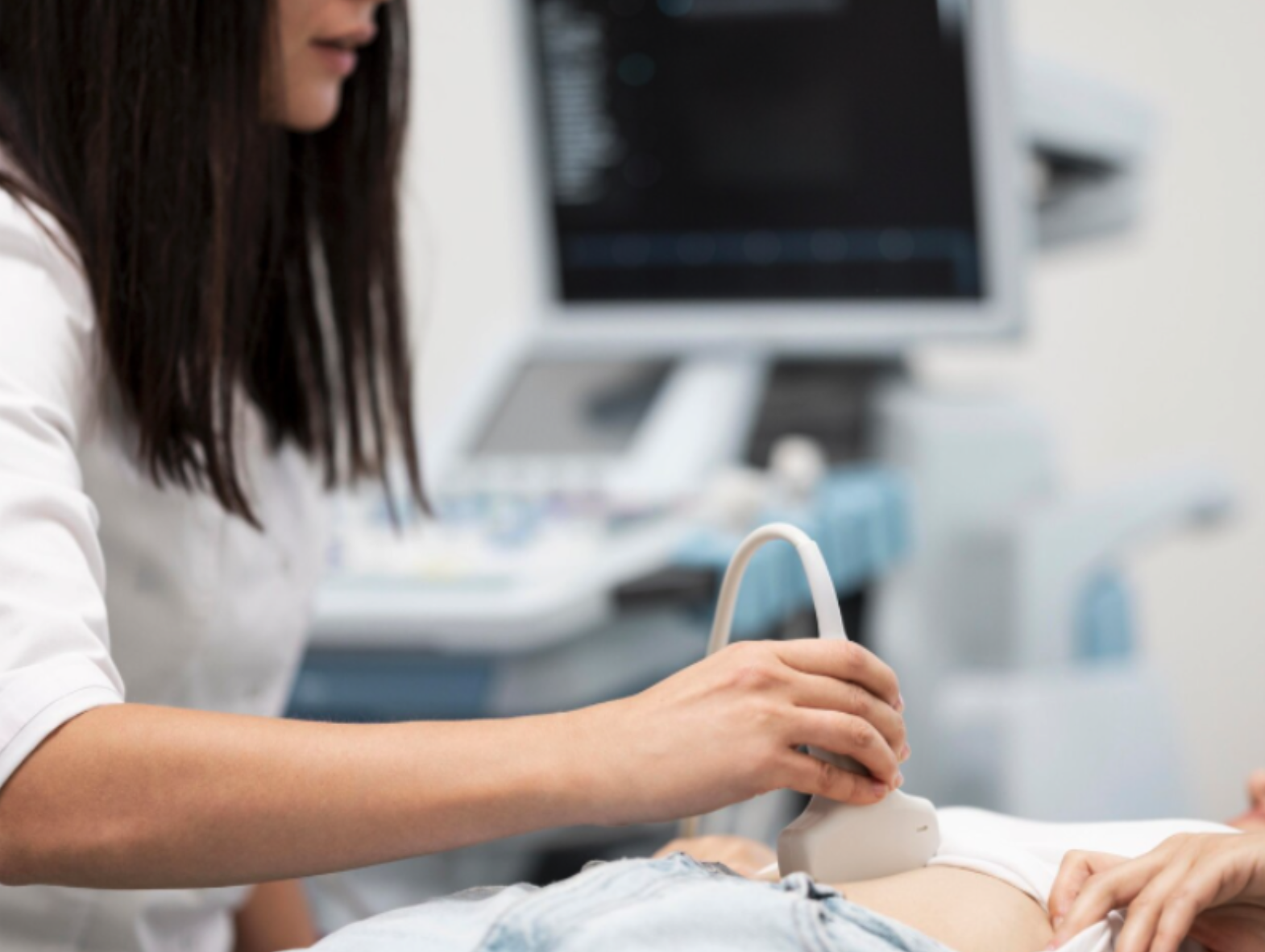
Most ultrasound examinations do not require incisions or injections. A trained healthcare professional uses a transducer to capture images of the area being examined.
03. Real-time imaging
Ultrasound produces images in real time, allowing healthcare professionals to observe certain organs, tissues, and blood flow.
04. Versatile diagnostic application
Ultrasound can be used to examine different parts of the body, including the abdomen, pelvis, thyroid, kidneys, liver, and blood vessels.
05. Supports diagnosis and monitoring
Ultrasound can help physicians investigate symptoms, identify structural abnormalities, monitor certain conditions, and assess changes over time.
06. Useful during pregnancy
Pregnancy ultrasound can help monitor fetal development and assess the health and position of the baby as recommended by a healthcare provider.

Types of Ultrasound
There are different types of ultrasound examinations, with each designed to evaluate specific organs, tissues, or medical concerns. The type of ultrasound recommended will depend on your symptoms, medical history, and physician’s request.
Abdominal Ultrasound
An abdominal ultrasound examines organs and structures within the abdomen. A whole abdominal ultrasound may be requested to evaluate several organs, including the liver, gallbladder, pancreas, spleen, kidneys, and other abdominal structures.
Pelvic Ultrasound
A pelvic ultrasound examines the organs and structures within the pelvis. It may be recommended to investigate pelvic pain, abnormal bleeding, menstrual concerns, or other gynecological conditions.
Transvaginal Ultrasound
A transvaginal ultrasound, also called a TVS ultrasound, is an imaging examination used to obtain detailed images of the female reproductive organs. The procedure uses a specialized ultrasound transducer inserted into the vagina and may be recommended to evaluate the uterus, ovaries, cervix, and surrounding structures.
A trans V ultrasound is another term sometimes used when referring to a transvaginal ultrasound.
Pregnancy Ultrasound
A pregnancy ultrasound uses sound waves to create images of the developing baby and reproductive structures during pregnancy. Depending on the stage of pregnancy and the physician’s request, it may be used to assess fetal development, position, growth, and other pregnancy-related findings.
Patients searching for an ultrasound for pregnant women or a baby ultrasound may be referring to this type of examination. Your healthcare provider can recommend the appropriate ultrasound based on your stage of pregnancy and medical needs.
Doppler Ultrasound
A Doppler ultrasound evaluates the movement of blood through blood vessels. It can help healthcare professionals assess blood flow and identify possible abnormalities in circulation.
Doppler ultrasound may be used as part of certain vascular examinations and may also be requested during pregnancy when assessment of blood flow is medically indicated.
Thyroid Ultrasound
A thyroid ultrasound creates images of the thyroid gland and surrounding structures in the neck. It may be used to assess thyroid nodules, cysts, enlargement, or other structural changes.
Kidney Ultrasound
A kidney ultrasound examines the kidneys and can help evaluate their size, structure, and appearance. It may be requested when investigating symptoms or conditions involving the urinary system.
Liver Ultrasound
A liver ultrasound provides images of the liver and can help physicians assess its size, structure, and other abnormalities. It may be performed as part of an abdominal ultrasound examination.
Pancreas Ultrasound
A pancreas ultrasound may be used to examine the pancreas and surrounding abdominal structures. It can form part of an abdominal imaging evaluation when symptoms or clinical findings require further assessment.
Prostate Ultrasound
A prostate ultrasound is an imaging examination used to evaluate the prostate gland. Depending on the clinical indication, your physician may recommend a specific approach, including transrectal ultrasound, to obtain detailed images of the prostate and surrounding structures.
Transrectal Ultrasound
A transrectal ultrasound uses a specialized ultrasound transducer inserted into the rectum to create detailed images of the prostate and nearby structures. It may be recommended by a physician for specific prostate-related evaluations.
Ultrasound for PCOS
Ultrasound may be used as part of the evaluation of polycystic ovary syndrome (PCOS). A PCOS ultrasound can provide images of the ovaries and reproductive organs and may help physicians assess ovarian morphology.
However, ultrasound findings alone do not necessarily confirm PCOS. Healthcare professionals may consider symptoms, medical history, physical examination, laboratory tests, and other clinical findings when evaluating the condition.
Common Applications for Ultrasound
Ultrasound can be requested for many different diagnostic purposes. Your physician will determine the appropriate examination based on your symptoms, medical history, and clinical needs.
01. Investigating abdominal pain
Abdominal imaging can help evaluate organs such as the liver, gallbladder, pancreas, spleen, and kidneys.
02. Evaluating pelvic symptoms
Pelvic or transvaginal ultrasound may be used to investigate pelvic pain, abnormal bleeding, or other gynecological concerns.
03. Monitoring pregnancy
Pregnancy ultrasound can help monitor fetal growth and development and evaluate certain pregnancy-related findings.
04. Assessing blood flow
Doppler ultrasound can be used to evaluate blood flow through certain blood vessels.
05. Examining organs and glands
Ultrasound can assess structures such as the thyroid, kidneys, liver, pancreas, and prostate.
06. Investigating lumps or abnormalities
Ultrasound can help characterize certain masses, cysts, nodules, or other structural findings.

Preparing for Your Ultrasound
Follow the preparation instructions
Preparation depends on the type of ultrasound you will undergo. Follow the specific instructions provided by your physician or clinician at Metro South Medical Center.
Fasting may be required
Some abdominal ultrasound examinations may require fasting for several hours before the procedure. Confirm the instructions for your specific examination.
A full bladder may be needed
Certain pelvic and urinary tract examinations may require you to drink water and avoid urinating before the procedure. Follow the instructions given to you.
Wear comfortable clothing
Wear loose-fitting clothing that allows easy access to the area being examined.
Bring your medical documents
Bring your physician’s request and any relevant previous imaging results or medical records that may assist with your evaluation.
Take medications as instructed
Continue your regular medications unless your physician has specifically advised you otherwise.
Arrive prepared for your appointment
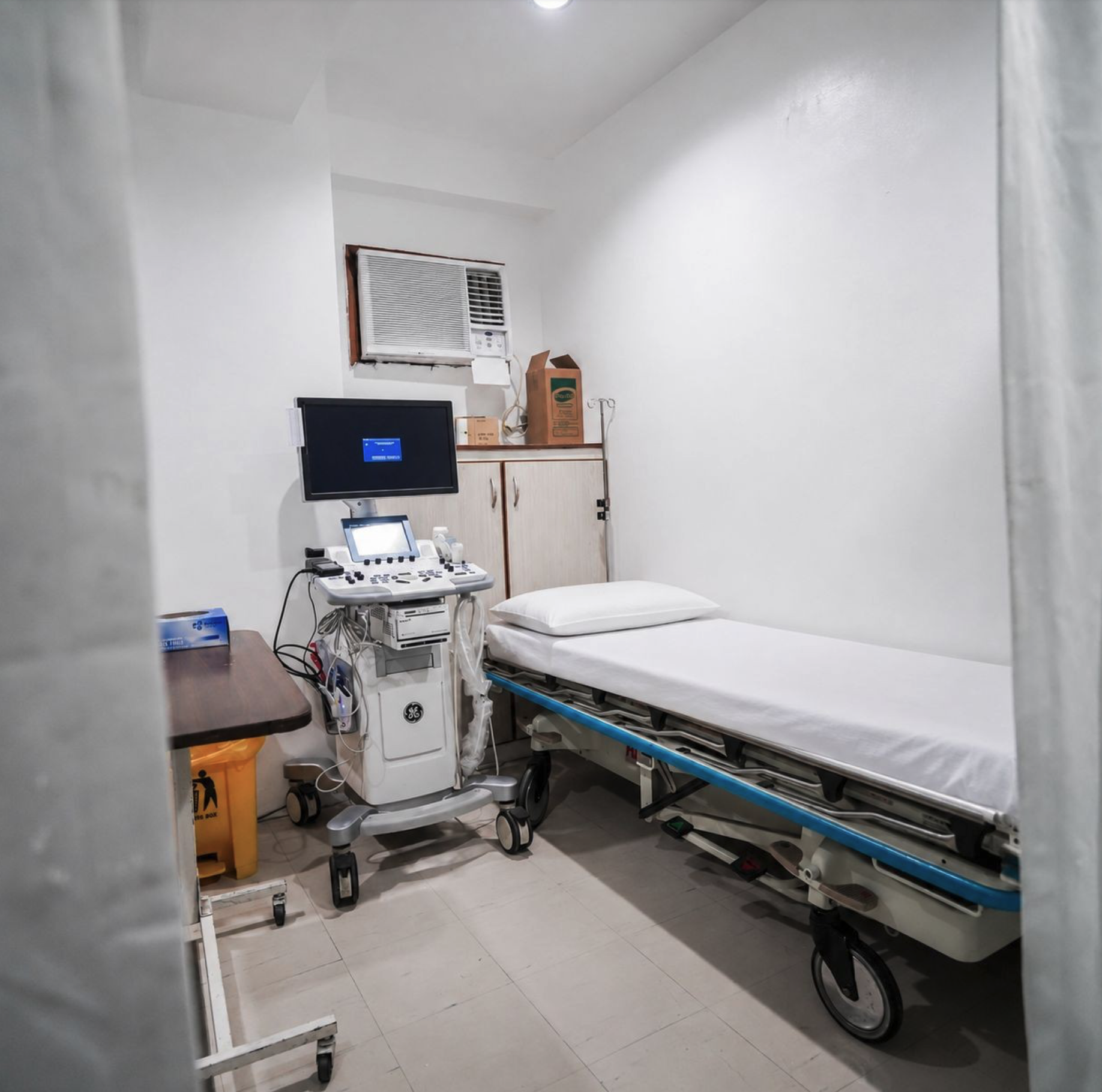
Arriving on time allows you to complete any necessary registration and preparation before your ultrasound at Metro South Medical Center in Bacoor, Cavite.
Is There a Fast Ultrasound?
The length of an ultrasound examination can vary depending on the type of study and the area being examined. Some examinations may be relatively quick, while more detailed studies can take longer.
Rather than choosing an ultrasound based solely on how fast it can be completed, it is important to have the specific examination requested by your physician to ensure the appropriate area is evaluated.

Understanding Your Ultrasound Results
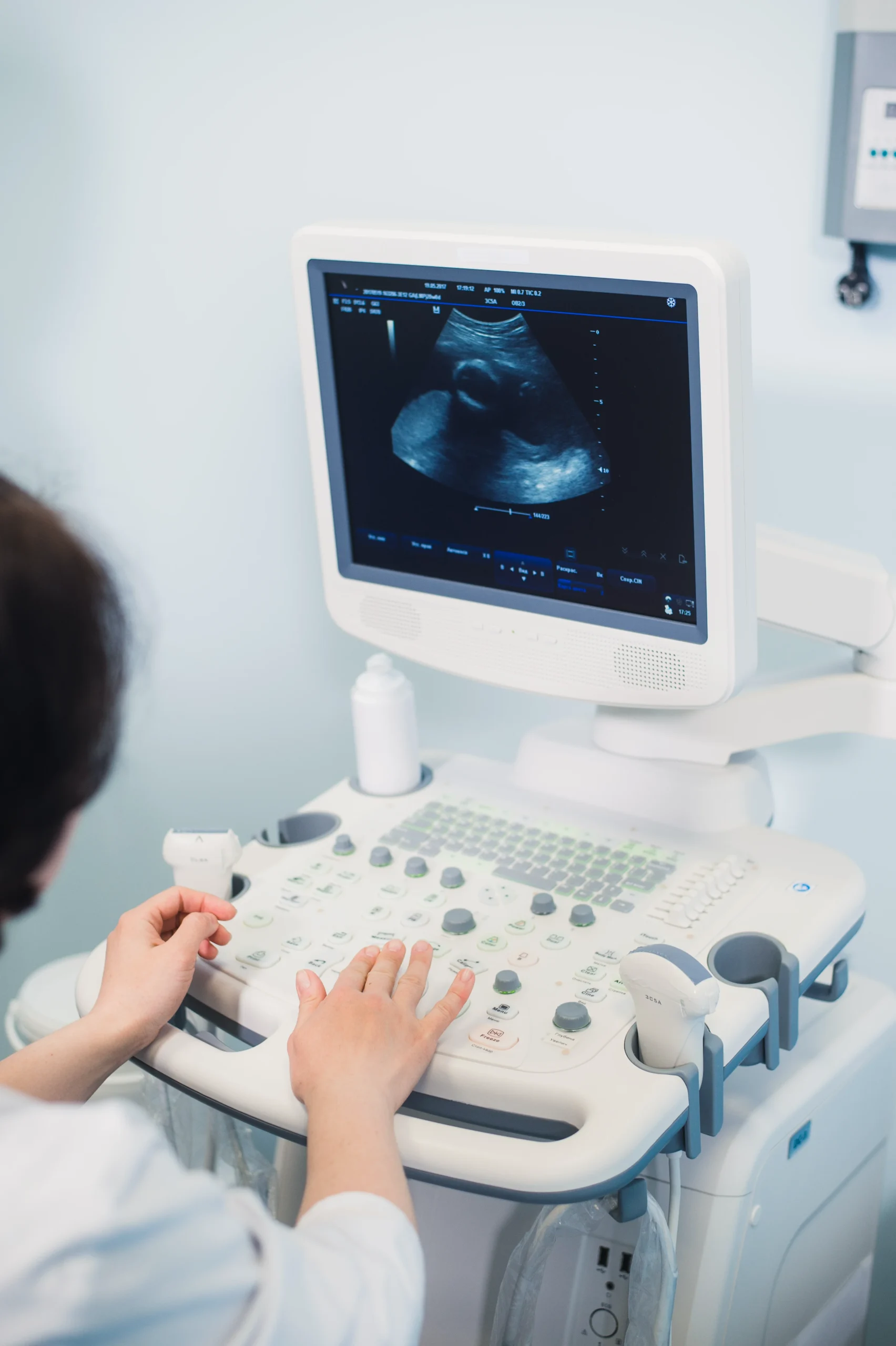
After your ultrasound, the images are reviewed and interpreted by an appropriate medical professional. Ultrasound results may describe the appearance of the organs, tissues, or structures examined and may identify findings that require further evaluation.
Your physician at Metro South Medical Center can explain what the results mean in relation to your symptoms, medical history, and other diagnostic findings. If additional testing, monitoring, or treatment is needed, your healthcare provider can recommend the appropriate next steps.
Coordinated Diagnostic Care at MSMC Cavite
At Metro South Medical Center, ultrasound is part of a broader range of diagnostic and medical services designed to support comprehensive patient care. Our healthcare team can help patients access appropriate diagnostic services based on their physician recommendations and individual healthcare needs.
Located in Molino Bacoor, Cavite, MSMC serves patients from Bacoor, Dasmarinas, Imus and other nearby communities with hospital, diagnostic, and specialty medical services in one facility.
Schedule Your Ultrasound at Metro South Medical Center
Looking for an advanced ultrasound service in Bacoor, Cavite for precise diagnostic imaging?