
Gastroscopy Services at Metro South Medical Center
A gastroscopy (upper endoscopy/EGD) is a commonly requested procedure that provides information about the esophagus, stomach, and upper small intestine. At Metro South Medical Center in Bacoor, Cavite, our gastroscopy services support physicians in evaluating heartburn, abdominal pain, swallowing problems, and GI bleeding as part of routine checkups, diagnostic evaluations, and ongoing medical care.
What is Gastroscopy?
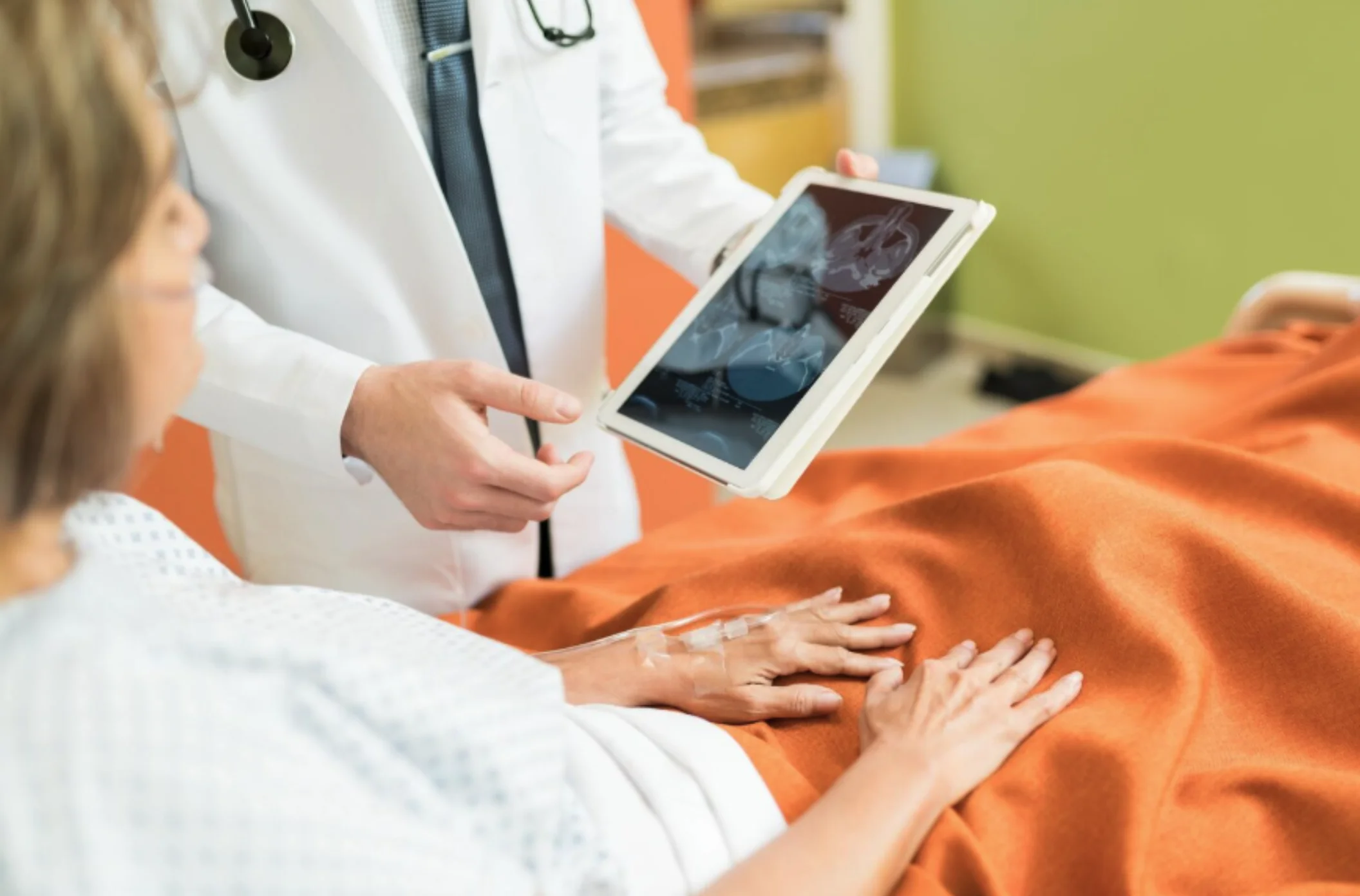
Gastroscopy, also called upper endoscopy or EGD, is a procedure that uses a thin, flexible tube with a camera to examine the upper digestive tract. During the test, the scope passes through the mouth to visualize the esophagus, stomach, and first part of the small intestine.
This esophagogastroduodenoscopy helps doctors identify inflammation, ulcers, bleeding sites, and other abnormalities that may explain a patient’s symptoms. At Metro South Medical Center, gastroscopy is offered as part of our gastroenterology services and is performed by trained specialists using modern endoscopy equipment.
Benefits of Gastroscopy
Gastroscopy provides detailed visualization of the upper gastrointestinal tract in a single procedure, supporting diagnosis and treatment planning.
01. Provides accurate diagnosis of upper GI conditions
Gastroscopy allows direct viewing of the esophagus, stomach, and duodenum to detect inflammation, ulcers, and early cancer.
02. Enables biopsy during the same procedure
Small tissue samples can be taken during upper endoscopy to test for H. pylori infection, celiac disease, Barrett’s esophagus, or other conditions.
03. Supports therapeutic interventions
Therapeutic endoscopy options include controlling bleeding, dilating narrow areas, and removing certain foreign bodies during the same EGD session.

Common Applications for Gastroscopy
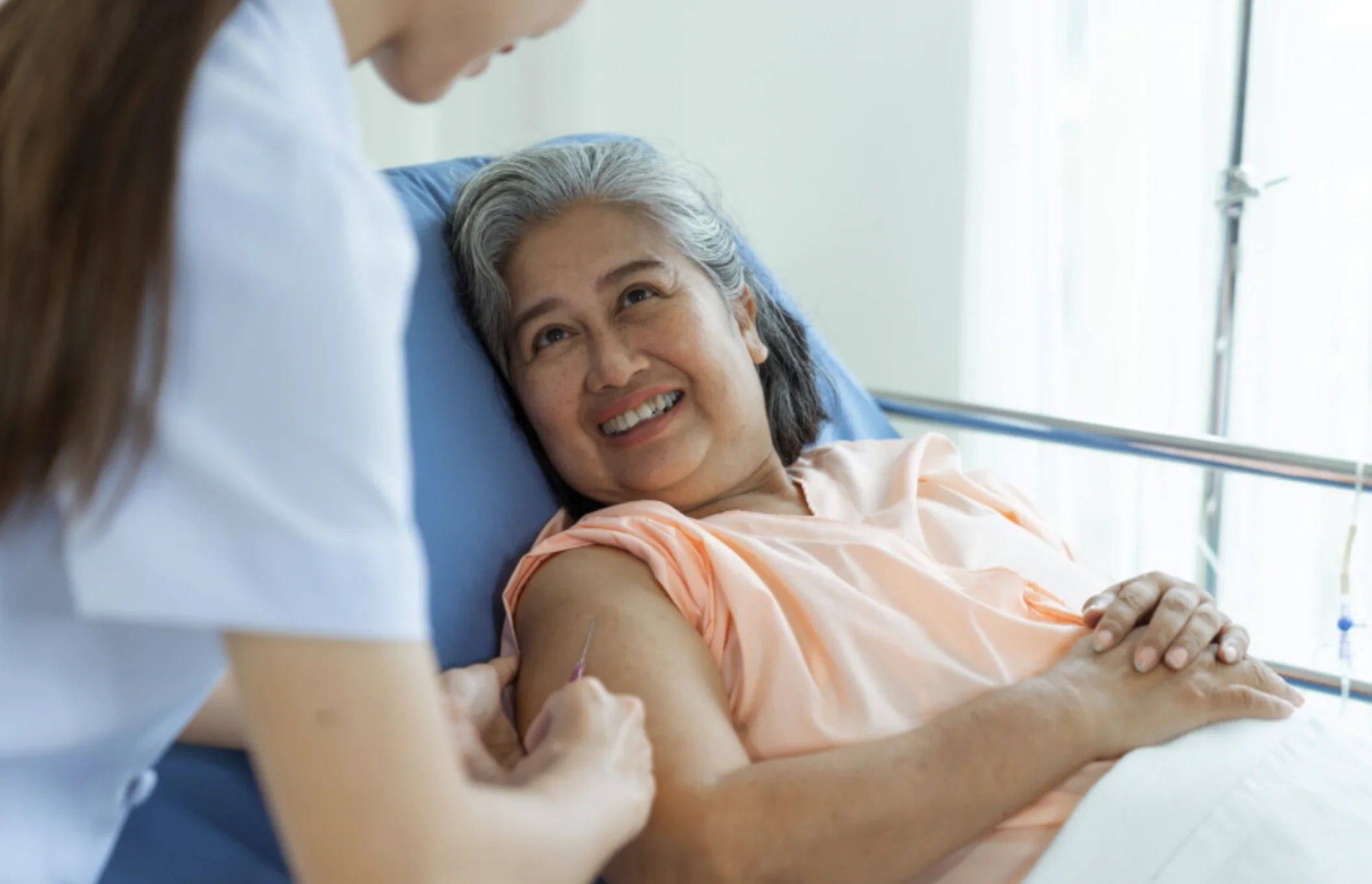
Gastroscopy is used to evaluate a wide range of upper digestive symptoms and known gastrointestinal conditions, helping guide diagnosis and treatment planning.
Evaluates persistent GERD and chronic heartburn
Gastroscopy assesses the esophagus for reflux-related injury, strictures, or Barrett’s esophagus in patients with ongoing symptoms.
Investigates upper abdominal pain and indigestion
Upper endoscopy helps identify gastritis, gastric ulcer, or duodenal ulcer as causes of epigastric discomfort.
Assesses difficulty swallowing (dysphagia)
Gastroscopy looks for narrowing, rings, or other problems that may be blocking food passage through the esophagus.
Diagnoses sources of bleeding and anemia
The procedure locates bleeding sites in the esophagus, stomach, or duodenum and can guide further treatment.
Supports surveillance of Barrett’s esophagus and prior ulcers
Patients with Barrett’s esophagus or previous ulcers may undergo scheduled gastroscopy for long-term monitoring.
Preparing For Your Gastroscopy Test
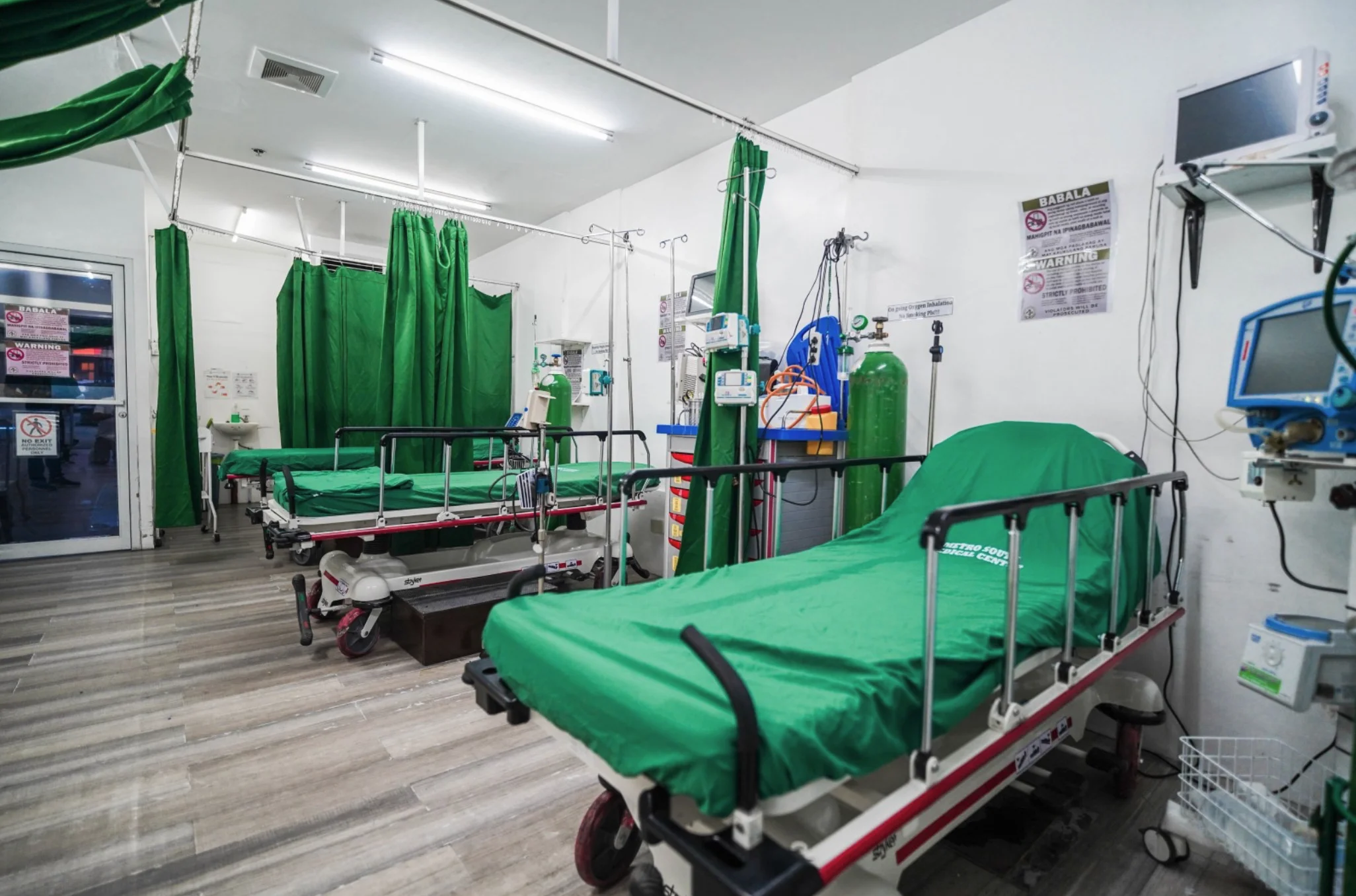
Preparation for your gastroscopy helps ensure the test is safe, comfortable, and provides reliable results.
01. Fast before your appointment
Do not eat solid food for at least 6 hours before the procedure; you may be allowed clear liquids up to 2–4 hours before, if your doctor advises.
02. Review your medications and health conditions
Continue your regular medicines unless your doctor tells you otherwise, and share all medications, allergies, and medical history to help your team plan your sedation and care.
03. Arrange a companion and plan your day
Have someone accompany you, especially if you will receive sedation, and avoid driving, operating machinery, or signing important documents for 24 hours after the test.
Coordinated Gastroscopy Care at MSMC Cavite
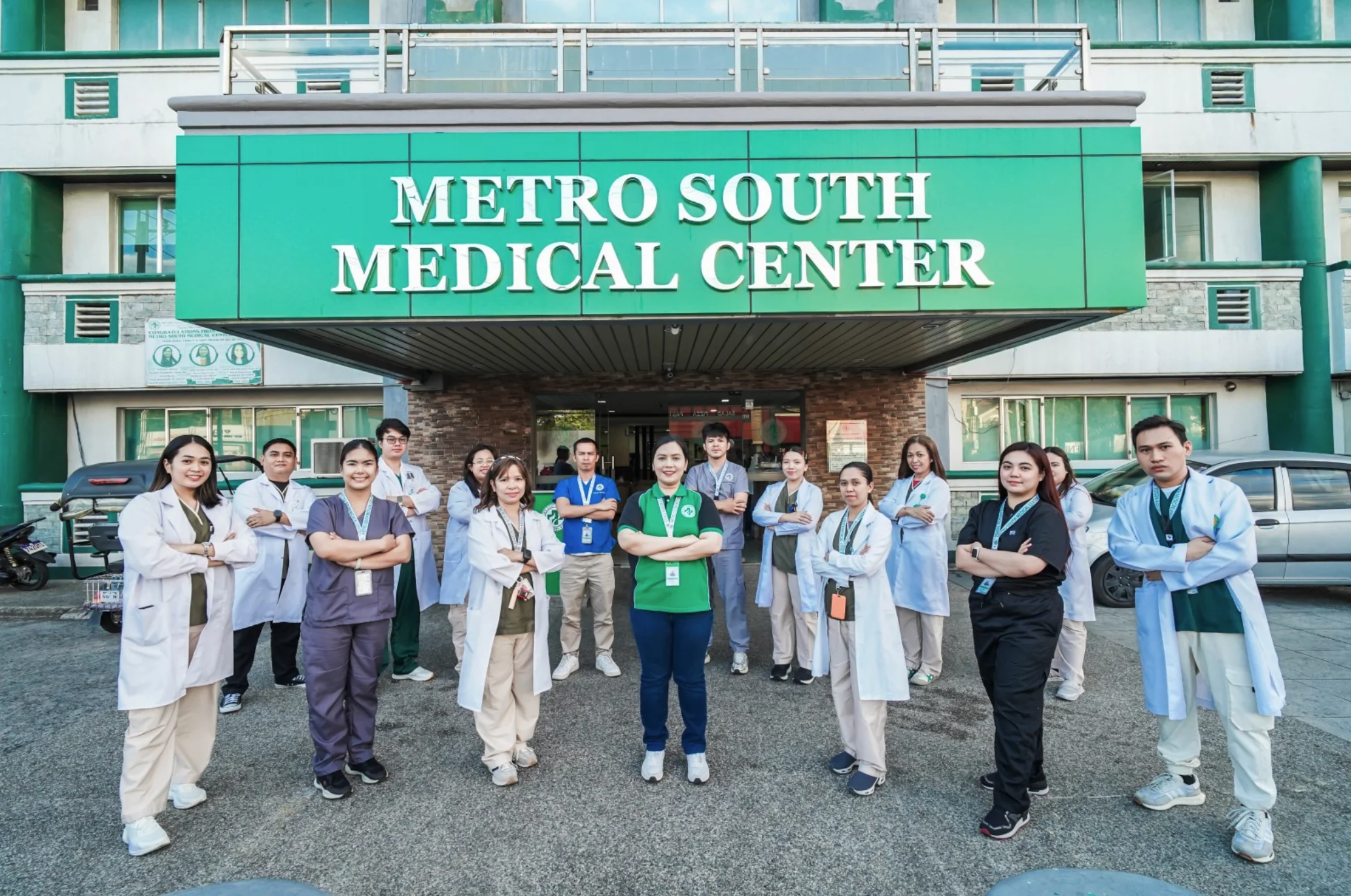
Gastroscopy at Metro South Medical Center is coordinated with Internal Medicine, Gastroenterology services, and Laparoscopic surgery services for comprehensive digestive care. Our team ensures smooth referrals, timely scheduling, and clear communication of results across these services.
Need a gastroscopy for persistent heartburn, abdominal pain, or swallowing problems?