
Hearing Screening Services At Metro South Medical Center
Hearing screening at Metro South Medical Center in Bacoor, Cavite helps identify possible hearing difficulties in children, adults, and older adults. It can support early evaluation and appropriate follow-up for people with hearing concerns, communication difficulties, or risk factors for hearing loss.
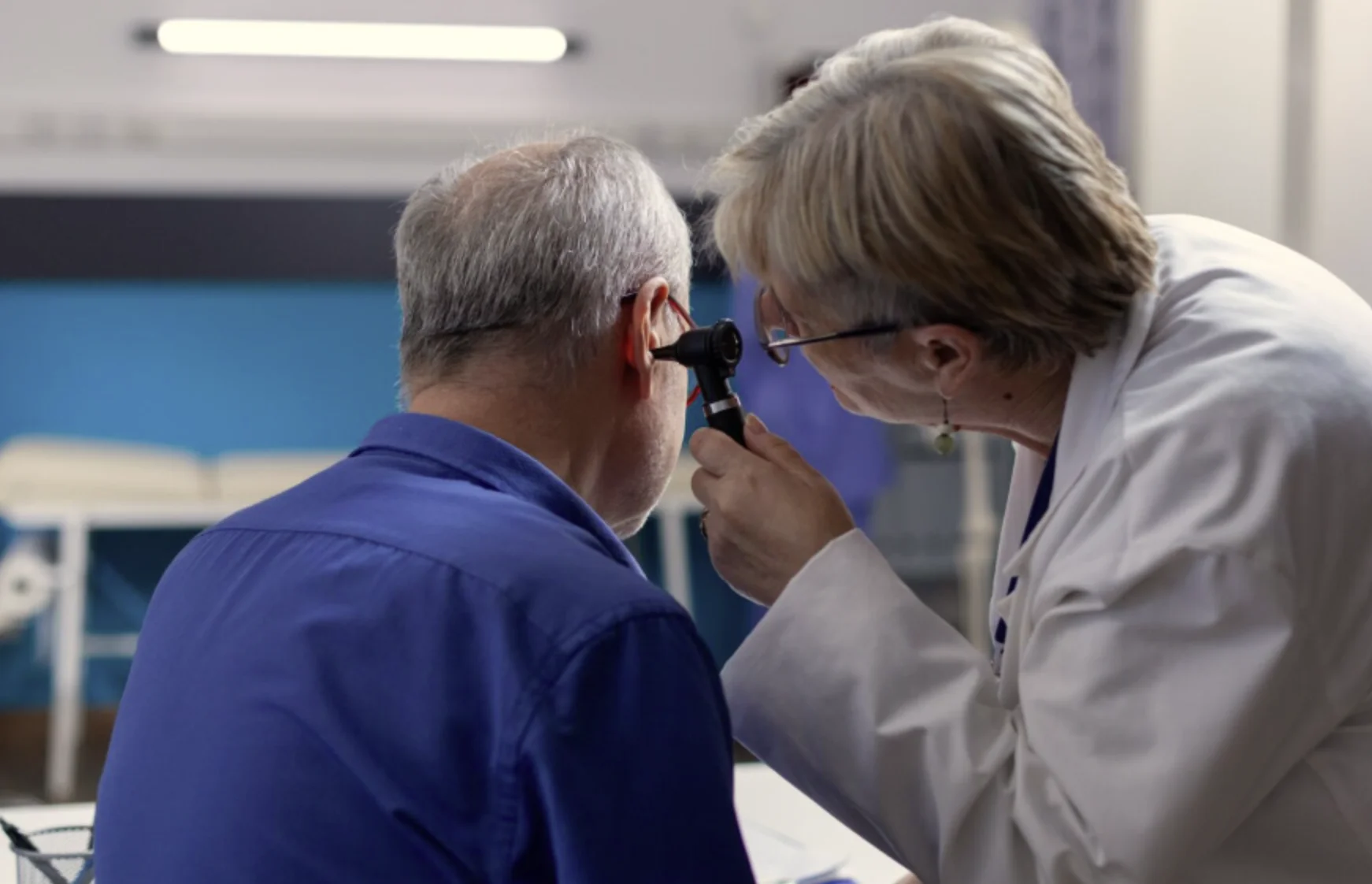
What is Hearing Screening?
Hearing screening is a brief assessment used to identify whether a person may have difficulty hearing. Depending on the patient’s age and needs, it may involve listening to tones or speech through headphones, responding to sounds, or using equipment to assess how the ear functions.
Common hearing assessments may include pure-tone audiometry, speech testing, or tympanometry, which evaluates eardrum movement and middle-ear function. Hearing screening is not a diagnosis. If the result suggests a possible hearing concern, the healthcare provider may recommend a more detailed hearing evaluation, additional testing, or consultation with an ENT specialist.
Patients can learn more about hearing-related care through MSMC’s ENT Services.
Benefits of Hearing Screening
Hearing screening can help identify possible hearing loss or changes in hearing before they affect communication, learning, work, or daily activities. It is an initial step for people who may need a more detailed hearing evaluation.
Its benefits include:
- Early identification: A hearing test may detect possible hearing loss or reduced hearing ability.
- Timely referral: Screening results can indicate whether audiometry, tympanometry, or an ENT consultation may be needed.
- Early evaluation may help patients receive appropriate care for speech, language, and communication concerns.
- Noise-related monitoring: Hearing screening can help monitor people who are regularly exposed to loud sounds.
- Age-related monitoring: Regular hearing checks can help identify gradual hearing changes in older adults.
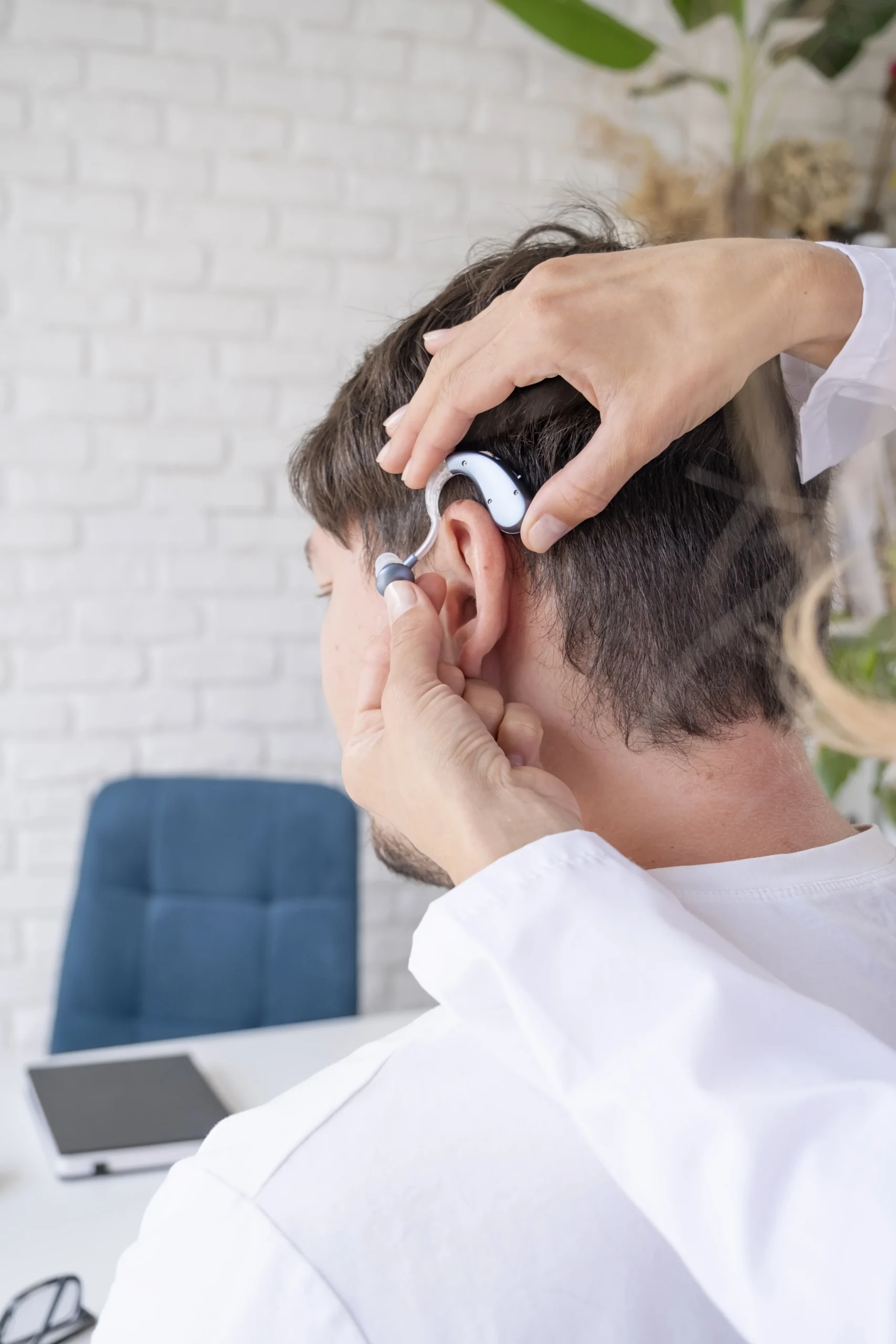
- Better care planning: Results can help healthcare professionals recommend follow-up testing, treatment, hearing devices, or other support when appropriate.
Common Applications of Hearing Screening
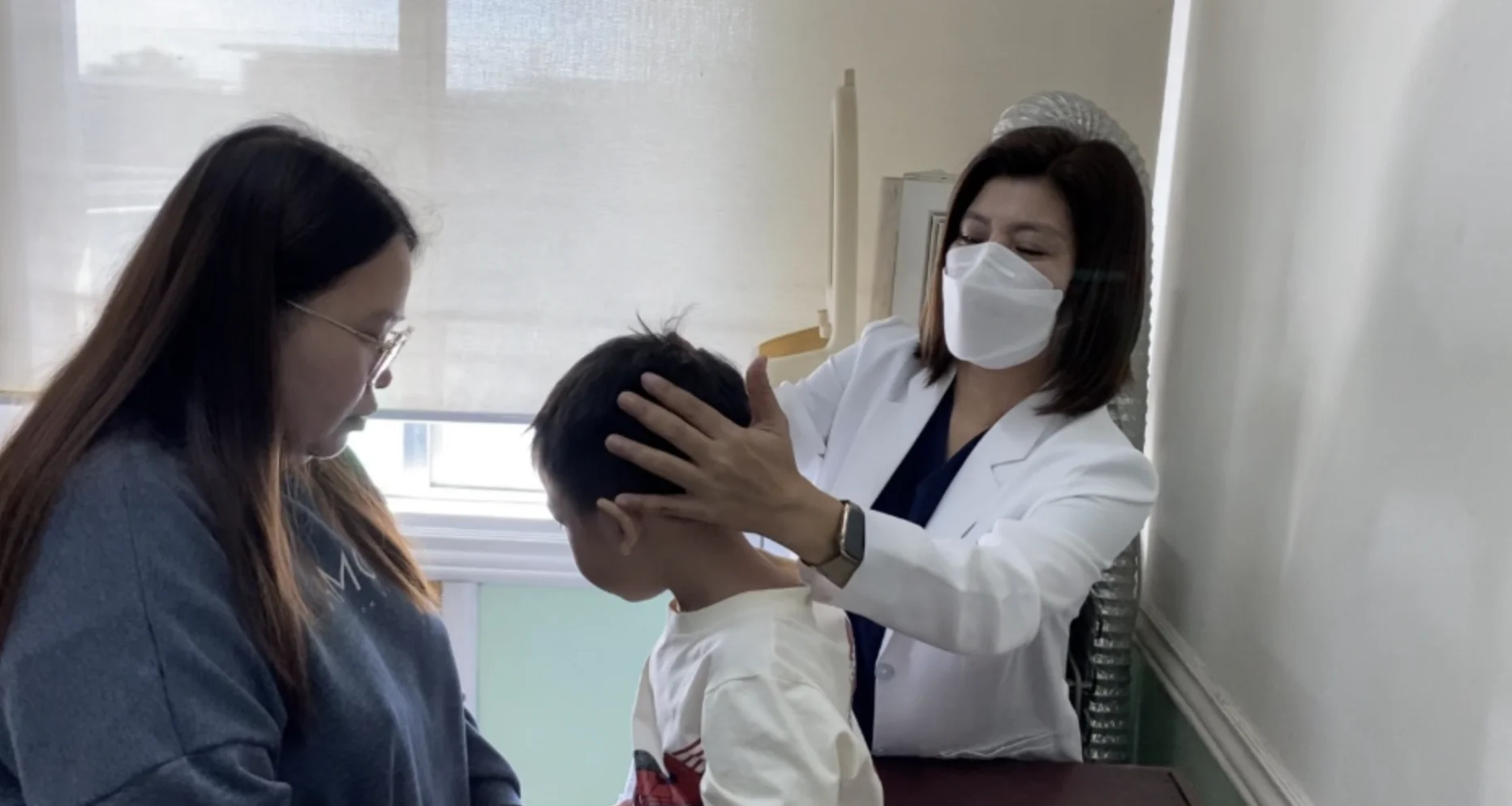
Hearing screening may be recommended for children, adults, and older adults who have hearing concerns, symptoms, or risk factors. Common applications include:
Hearing screening for children
Used when a child has speech, language, learning, communication, or listening concerns.
Adult hearing screening
Recommended for adults who have difficulty understanding conversations, especially in noisy environments.
Hearing tests for older adults
Used to monitor gradual age-related hearing changes.
Occupational hearing screening
May be used for people who work in noisy environments or are regularly exposed to loud sounds.
Follow-up after ear problems
May be considered for people with recurring ear infections, ear fullness, or other ear-related concerns.
Assessment of tinnitus
May help evaluate people who experience persistent ringing or buzzing in the ears.
Evaluation of related symptoms
Hearing concerns accompanied by dizziness or balance problems may require assessment by an appropriate healthcare professional.
Pre-consultation assessment
Screening results may help guide further evaluation by an audiologist or ENT specialist.
Hearing screening identifies people who may benefit from further assessment; it does not confirm the type or severity of hearing loss by itself. Additional tests may include pure-tone audiometry, speech audiometry, tympanometry, or a comprehensive hearing evaluation.

When Should Hearing Screening Be Done?
Consider hearing screening if you notice difficulty understanding speech, frequently ask others to repeat themselves, or struggle to hear in noisy environments. Children may also benefit from screening when they show speech, language, learning, or communication concerns.
People who experience ringing in the ears, recurring ear problems, dizziness, ear fullness, or noticeable hearing changes should discuss screening with a healthcare professional. The appropriate timing depends on the person’s age, symptoms, medical history, and risk factors.
Understanding Hearing Screening Results
A hearing-screening result may indicate that no immediate follow-up is needed or that additional evaluation should be considered. A result requiring follow-up does not automatically confirm hearing loss.
The healthcare provider may recommend repeat screening, pure-tone audiometry, speech testing, tympanometry, or a complete hearing evaluation. Patients should follow the recommended next steps so that possible hearing concerns can be assessed accurately. . Hearing screening does not replace a medical or diagnostic hearing evaluation.

Preparing For Your Hearing Screening
Before the assessment, patients should:
01. Bring relevant records
Bring previous hearing-test results or medical records, if available.
02. Share important information
Tell the healthcare professional about hearing changes, ear symptoms, previous ear problems, noise exposure, or relevant medications.
03. Ask about the process
Confirm how the hearing screening will be performed and when the results will be released.
04. Follow instructions
Follow any preparation guidance provided by the healthcare facility.

Coordinated Hearing Care at MSMC Cavite
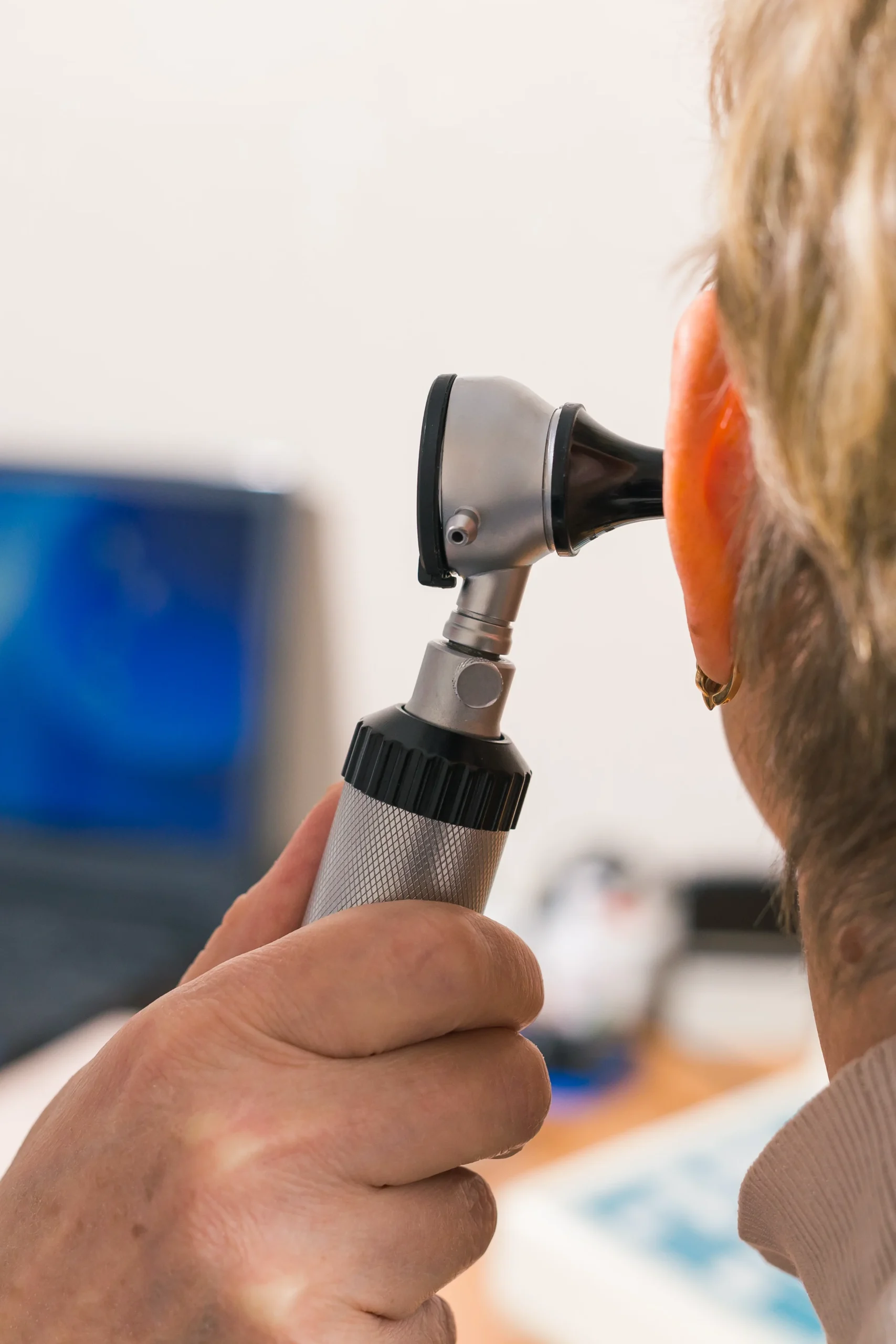
Patients seeking hearing screening and related ear care can turn to Metro South Medical Center for professional guidance. The healthcare team can help explain screening results, identify the need for further evaluation, and recommend appropriate care based on each patient’s concerns.
For specialized evaluation, patients may schedule a consultation with an MSMC ENT specialist. An ENT consultation can help assess hearing concerns and guide patients toward the appropriate next steps in their care.
Looking for reliable hearing screening services in Bacoor, Cavite?