
Chem 8 Blood Test at Metro South Medical Center
A Chem 8 blood test is a commonly requested laboratory test that provides information about important electrolytes, blood sugar, and kidney function. At Metro South Medical Center in Bacoor, Cavite, our laboratory services support physicians in evaluating these key health indicators as part of routine checkups, diagnostic evaluations, and ongoing medical care.
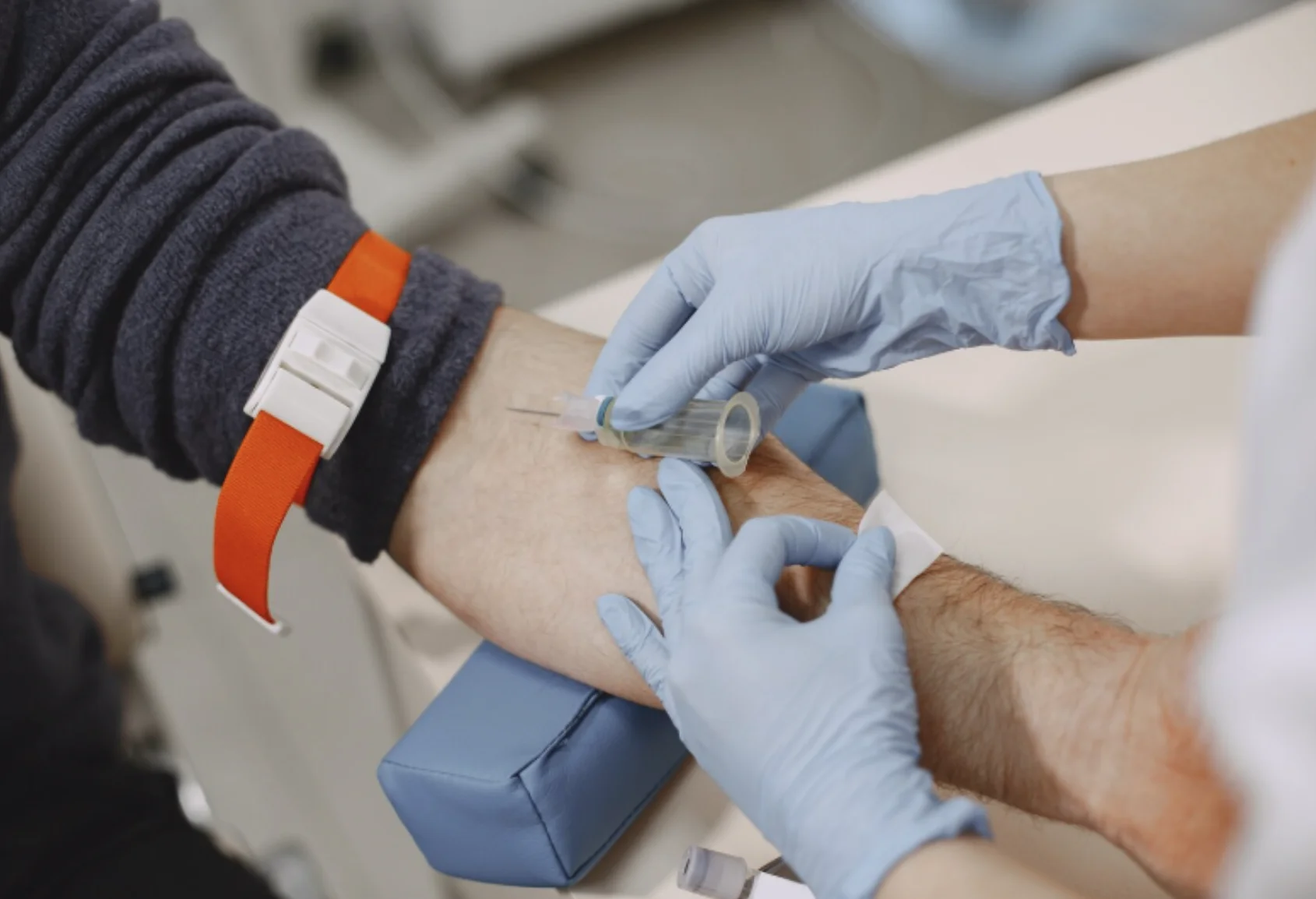
What is a Chem 8 Blood Test?
A Chem 8 blood test, also called a Chem 8 lab test, is a blood chemistry panel that measures eight important substances in the blood. These measurements can provide information about electrolyte balance, blood glucose, and kidney function.
The test commonly includes sodium, potassium, chloride, carbon dioxide, glucose, blood urea nitrogen (BUN), creatinine, and calcium. Together, these results can help healthcare providers evaluate aspects of hydration, metabolic function, and kidney health.
A Chem 8 is one type of blood chemistry test. Your physician may request it as part of a routine health assessment, before certain procedures, when investigating symptoms, or to monitor an existing health concern.
What Does a Chem 8 Blood Test Measure?
A Chem 8 blood test measures eight key substances that can provide useful information about your body’s metabolic and physiological functions.
01. Sodium
Sodium is an electrolyte that helps regulate fluid balance, nerve function, and muscle activity. A sodium blood test measures the amount of sodium in your blood.
02. Potassium
Potassium is important for nerve signals, muscle function, and maintaining a normal heart rhythm. The test measures your blood potassium level.
03. Chloride
Chloride is an electrolyte that works together with sodium and other substances to help maintain fluid and acid-based balance. A chloride blood test measures the amount of chloride in your blood.
04. Carbon dioxide
The carbon dioxide measurement primarily reflects bicarbonate, which plays an important role in maintaining the body’s acid-based balance.
05. Glucose
Blood glucose is the amount of sugar present in your bloodstream. Depending on why the test is requested and how you prepare, glucose may be evaluated using a fasting or non-fasting sample.
06. Blood urea nitrogen (BUN)
BUN measures the amount of nitrogen in the blood that comes from urea, a waste product produced when the body breaks down protein. It can provide information that helps assess kidney function when interpreted alongside other results.
07. Creatinine
Creatinine is a waste product produced by normal muscle metabolism. Blood creatinine levels can provide information about kidney function and may be considered together with other measurements.
08. Calcium
Calcium is an important mineral involved in bone health, muscle function, nerve signaling, and other processes in the body. The test measures the amount of calcium in your blood.

Benefits of a Chem 8 Blood Test
A Chem 8 blood test provides several measurements from a single blood sample, making it useful for evaluating different aspects of your health.
Provides multiple health measurements
A single Chem 8 panel can provide information about electrolytes, glucose, kidney-related markers, and calcium.
Evaluates electrolyte balance
Measurements of sodium, potassium, chloride, and carbon dioxide can help physicians assess electrolyte and acid-based balance.
Supports kidney function assessment
BUN and creatinine are commonly evaluated when assessing kidney function and may be interpreted together with other clinical information.
Measures blood glucose
The glucose measurement provides information about the amount of sugar in your blood at the time the sample was taken.
Supports routine health assessments
A Chem 8 may be requested as part of a broader blood chemistry test or medical evaluation.
Helps monitor certain health conditions
Your physician may recommend repeat testing to monitor changes in electrolyte levels, glucose, kidney-related measurements, or other health indicators.
Common Applications of a Chem 8 Blood Test
A Chem 8 blood test may be requested for different reasons depending on your symptoms, medical history, and physician’s assessment.
01. Routine health evaluation
Chem 8 testing may be included in laboratory work requested during a general health assessment.
02. Electrolyte evaluation
Sodium, potassium, and chloride measurements can provide information about electrolyte balance.
03. Kidney function assessment
BUN and creatinine may be evaluated to provide information about kidney function.
04. Blood glucose evaluation
Glucose levels can be measured as part of an assessment of blood sugar and metabolic health.
05. Monitoring certain medical conditions
Physicians may use repeat blood chemistry testing to monitor patients with conditions that can affect electrolytes, kidney function, or blood glucose.
06. Pre-procedure evaluation
Depending on the procedure and the patient’s medical history, a physician may request blood chemistry testing before treatment or surgery.

Understanding Your Chem 8 Blood Test Results
Your blood test results will show the measured levels of the substances included in the Chem 8 panel. Results are typically compared with reference ranges established by the laboratory.
Sodium Normal Range
The sodium normal range can vary slightly between laboratories. Sodium levels are interpreted together with your symptoms, medical history, and other electrolyte results.
Normal Potassium Levels
Normal potassium levels fall within a laboratory-specific reference range. Potassium is an important electrolyte, so results outside the laboratory reference range may require further assessment by your healthcare provider.
Chloride Normal Range
The chloride normal range may vary depending on the laboratory and testing method. Chloride results are generally interpreted alongside sodium, potassium, carbon dioxide, and other clinical findings.
Carbon Dioxide Normal Range
The carbon dioxide normal range refers primarily to the amount of bicarbonate measured in the blood. This result can provide information about your body’s acid-based balance and should be interpreted in context with other laboratory findings.
Normal Blood Urea Nitrogen
The normal blood urea nitrogen range can vary by laboratory and other individual factors. BUN is commonly considered alongside creatinine when evaluating kidney-related measurements.
Normal Creatinine Levels by Age
Normal creatinine levels by age can differ because creatinine is influenced by factors such as age, muscle mass, and other individual characteristics. Your laboratory report will provide the applicable reference range, and your physician can explain what your result means for you.
BUN Creatinine Ratio
The BUN creatinine ratio compares two measurements that can provide additional information when evaluating kidney function and certain other clinical conditions. It should not be interpreted on its own and must be considered alongside other laboratory results and clinical findings.
Normal Calcium Levels
Normal calcium levels can vary according to the laboratory’s reference range and individual factors. Calcium results may be evaluated alongside other blood chemistry measurements and your medical history.

Preparing for Your Chem 8 Blood Test
Follow your physician's instructions
Ask whether your Chem 8 requires fasting or any other preparation before your blood sample is collected.
Confirm whether fasting is required
A Chem 8 does not always require fasting, but other tests performed at the same time may. Follow the specific instructions provided by your healthcare provider or laboratory.
Follow fasting instructions carefully
If you are instructed to undergo a fasting blood test, follow the recommended fasting period and ask what you may consume during that time.
Take medications as instructed
Do not stop or change prescribed medications unless your physician specifically tells you to do so.
Stay properly hydrated when permitted
Follow your laboratory instructions regarding fluids before testing. If fasting instructions allow water, staying hydrated may make blood collection easier.
Bring your laboratory request
Bring your physician’s request or referral and any relevant medical information required for your appointment.
Arrive on time
Allow enough time for registration and blood collection.
Coordinated Laboratory Care at MSMC Bacoor, Cavite
At Metro South Medical Center, Chem 8 blood testing is part of our laboratory services designed to support comprehensive patient evaluation and medical care. Laboratory findings can help physicians assess important health indicators and determine whether additional testing, monitoring, or treatment may be appropriate.
Located in Bacoor, Cavite, Metro South Medical Center provides diagnostic and medical services for patients from Bacoor, Molino, and surrounding communities.

Need a Chem 8 blood test in Bacoor, Cavite for electrolyte, glucose, and kidney function evaluation?