
Level III Laboratory at Metro South Medical Center
Access to reliable laboratory testing is an important part of quality healthcare. At Metro South Medical Center Bacoor, Cavite, our Level III laboratory provides a range of laboratory and diagnostic services that support physicians in assessing, diagnosing, and monitoring different health conditions.
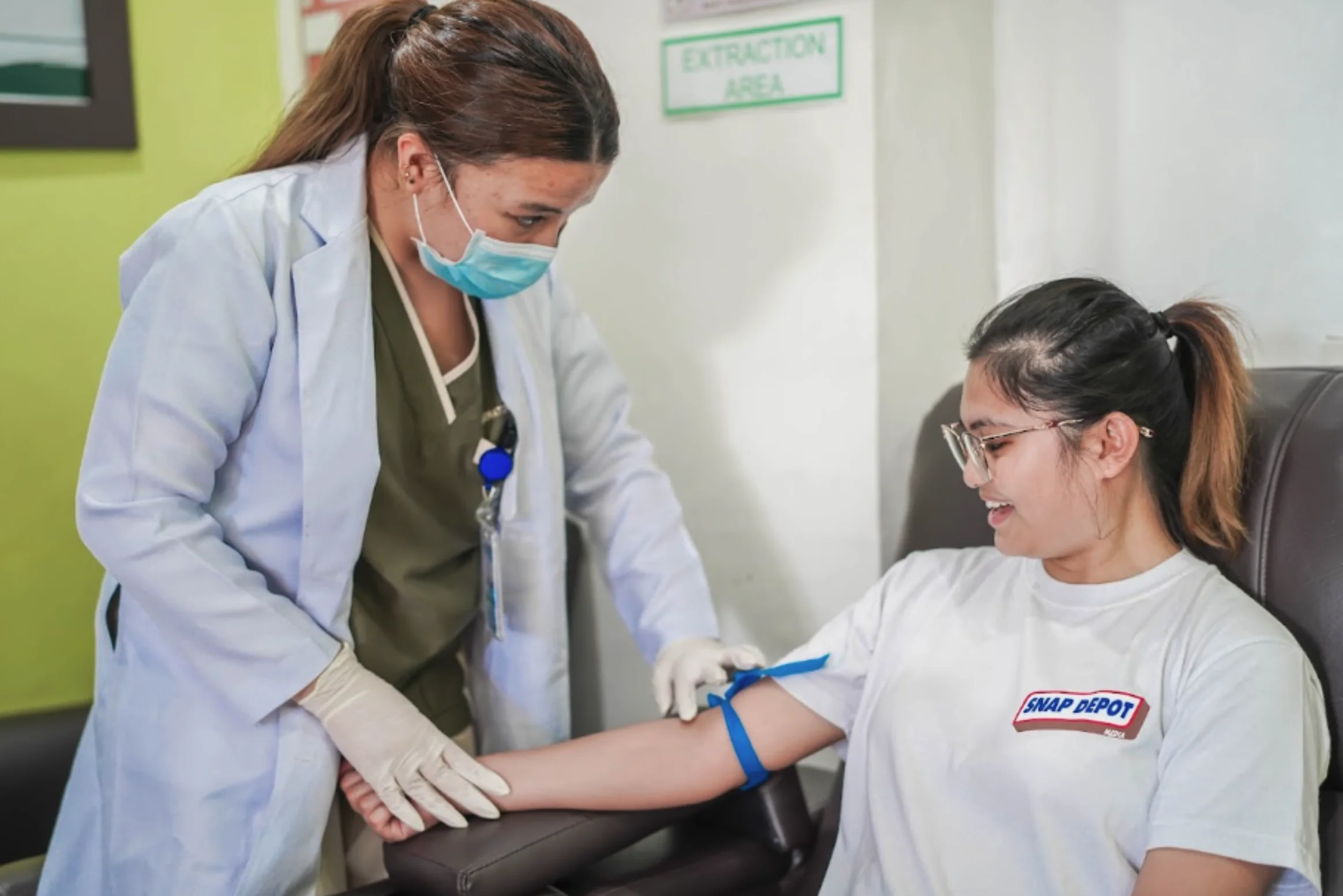
What is a Level III Laboratory?
A Level III laboratory is a clinical laboratory that provides a broad range of laboratory testing services to support the diagnosis, treatment, and monitoring of different health conditions. A Level III laboratory operates with appropriate facilities, equipment, qualified laboratory professionals, and established procedures to perform various diagnostic examinations based on a patient’s healthcare needs and physician’s request.
Laboratory examinations may include routine blood chemistry, metabolic testing, electrolyte testing, lipid testing, and tests that provide information about the kidney, liver, and other areas of health. Depending on the patient’s condition, physicians may also request specialized examinations such as a troponin test, uric acid test, or other laboratory procedures. Results from these examinations can be evaluated alongside a patient’s symptoms, medical history, physical examination, and other diagnostic findings.
At Metro South Medical Center Bacoor, Cavite, our Level III laboratory is available as part of our hospital’s diagnostic services for patients who require laboratory testing and clinical assessment. Our laboratory supports physicians by providing relevant laboratory results that can contribute to diagnosis, treatment planning, and ongoing health monitoring.
Benefits of Laboratory Testing
Laboratory testing provides valuable information that can help healthcare professionals evaluate a patient’s health and support appropriate medical decisions.
01. Supports diagnosis
Laboratory results can provide measurable information that may help physicians investigate symptoms and identify possible health concerns.
02. Monitors health conditions
Regular testing can help healthcare professionals monitor certain conditions and evaluate changes over time.
03. Assesses organ function
Laboratory tests such as blood tests can provide information about areas such as kidney and liver function, electrolyte balance, and metabolism.
04. Supports preventive care
Routine laboratory testing may help identify certain health concerns before noticeable symptoms develop.
05. Guides treatment monitoring
Follow-up laboratory tests can help physicians evaluate a patient’s response to certain treatments when testing is clinically appropriate.
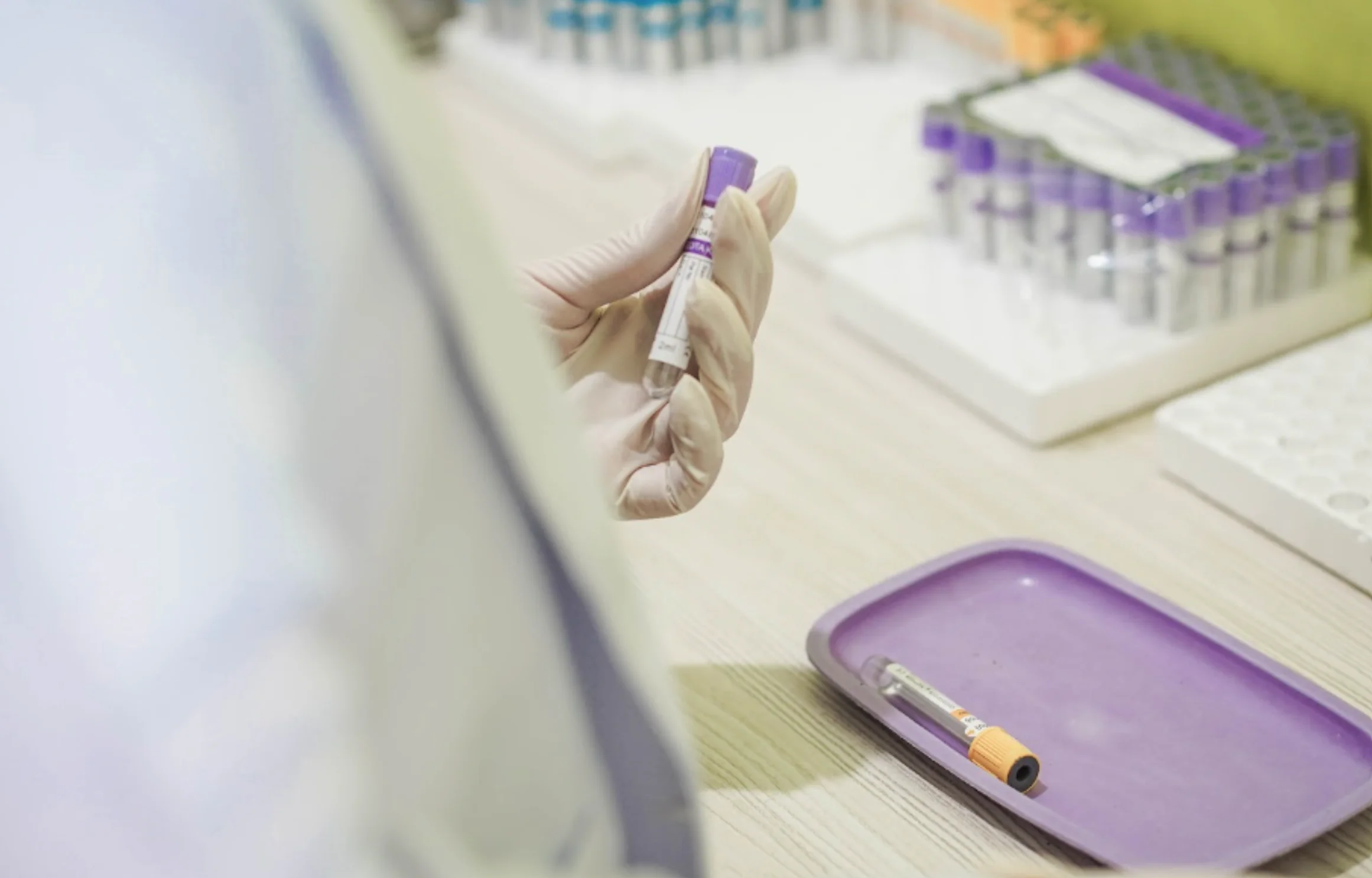

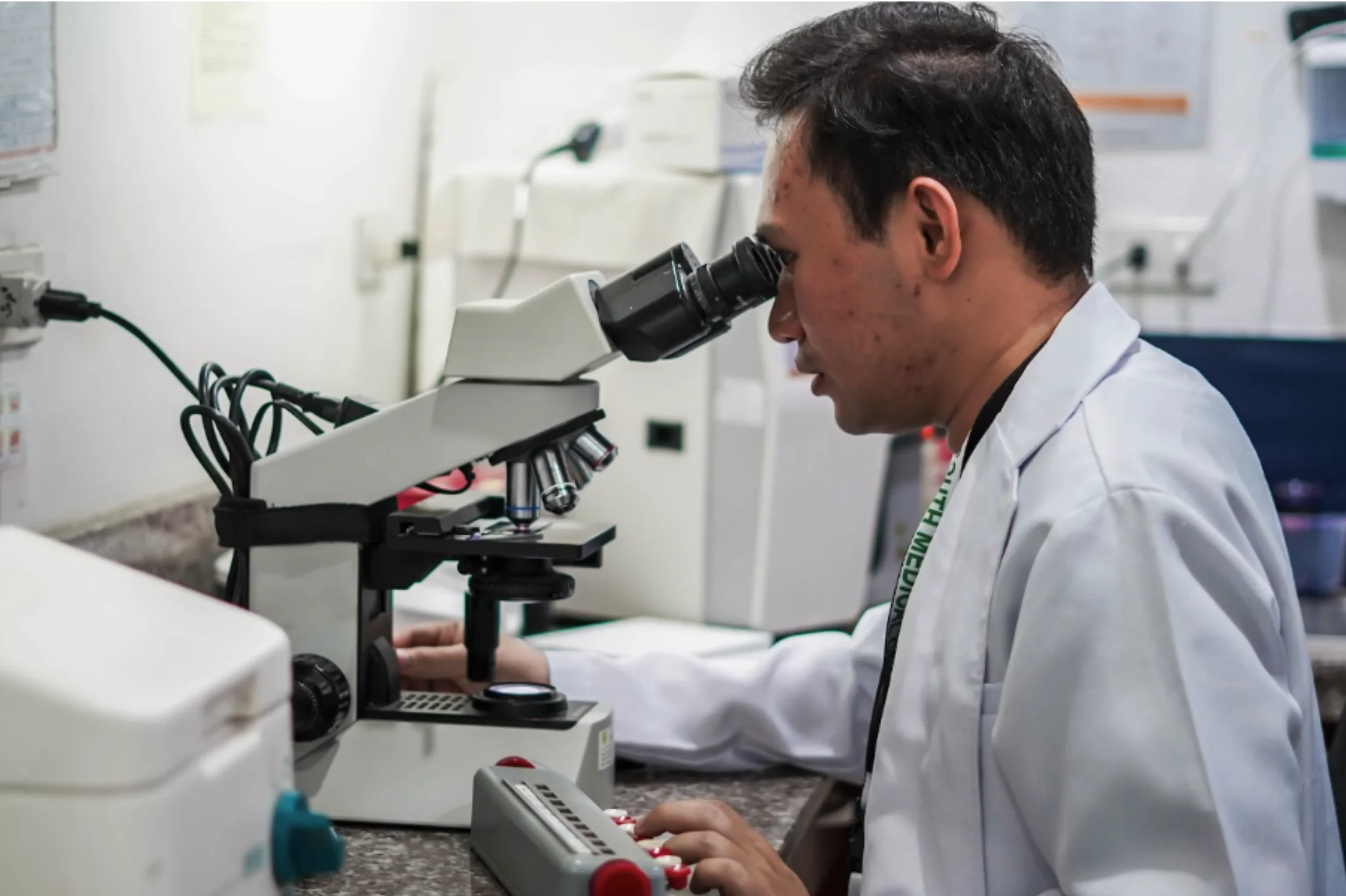
Common Laboratory Tests
Metro South Medical Center Cavite provides laboratory services that may include different blood chemistry and diagnostic examinations based on the physician’s request.
Basic metabolic panel
A basic metabolic panel measures several substances in the blood and can provide information related to metabolism, kidney function, and electrolyte balance.
Comprehensive metabolic panel
A comprehensive metabolic panel provides a broader assessment of blood chemistry and includes measurements that can provide information related to liver and metabolic health.
Electrolytes test
An electrolytes test measures important minerals such as sodium and potassium, which are involved in fluid balance, nerve function, and muscle activity.
Lipid profile test
A lipid profile test measures blood lipids such as cholesterol and triglycerides and may be used as part of cardiovascular risk assessment.
Liver function test
A liver function test evaluates selected blood markers associated with liver health and function.
Kidney function test
A kidney function test can assess commonly measured substances associated with kidney function. A BUN Creatinine test may be included when requested by a physician.
Troponin and myoglobin tests
A troponin test may be requested when evaluating possible heart muscle injury. A myoglobin test measures a protein associated with muscle tissue and may be used in specific clinical situations.
Uric acid test
A uric acid test measures the amount of uric acid in the blood and may be requested when evaluating conditions associated with elevated uric acid levels.
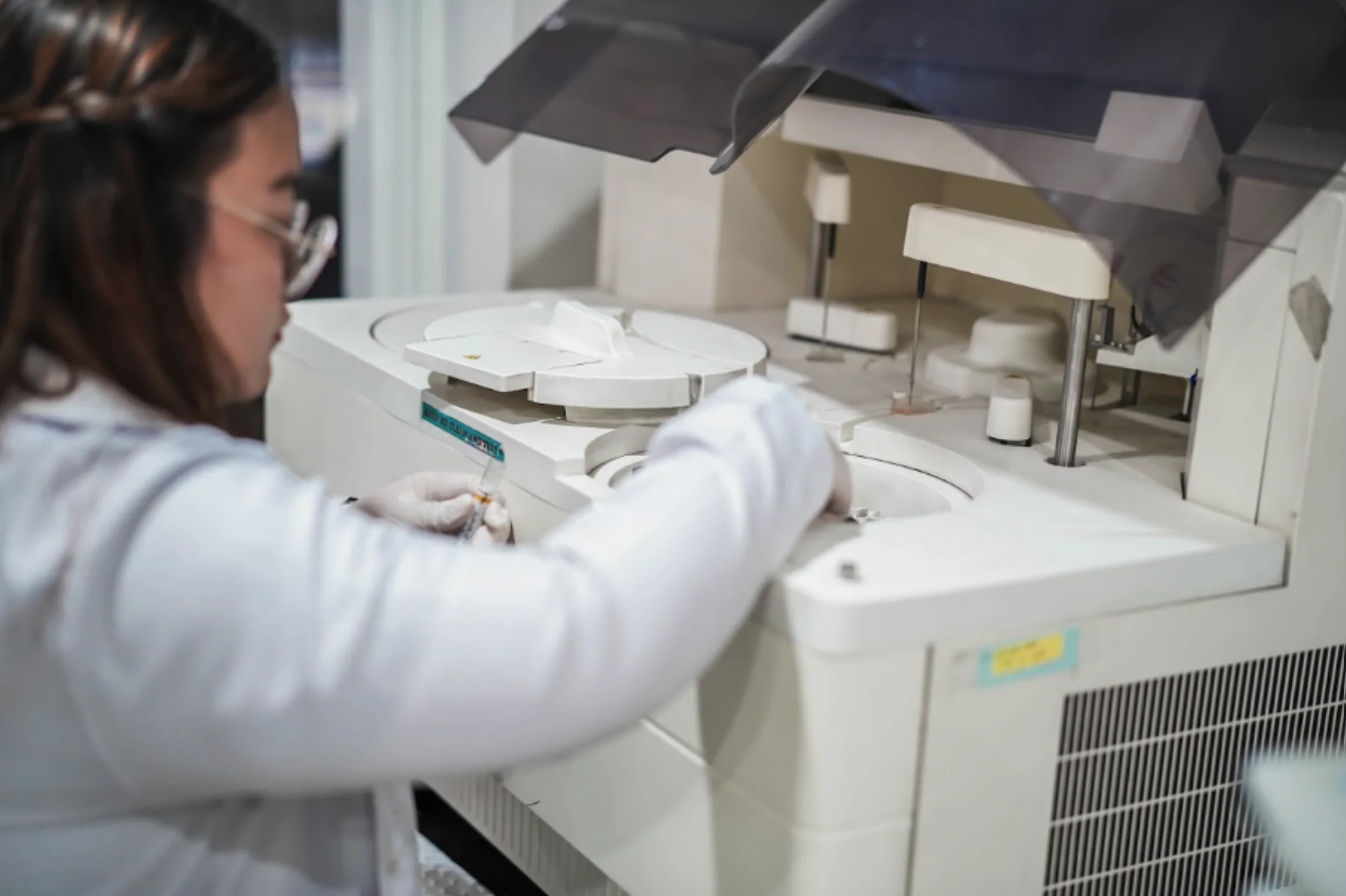
Preparing for Your Laboratory Test
Preparation requirements vary depending on the laboratory examination being performed.
Follow your physician’s instructions
Follow any instructions provided by your physician or laboratory regarding preparation.
Ask if fasting is required
Some laboratory tests may require fasting, while others may not.
Bring your laboratory request
Bring your physician’s request or referral when required.
Provide relevant information
Inform the healthcare team about medications or other relevant information when appropriate.
Arrive on time
Allow sufficient time for registration and specimen collection before your scheduled laboratory service.
Comprehensive Laboratory Care at MSMC Bacoor, Cavite
At Metro South Medical Center, our Level III laboratory is part of our hospital’s comprehensive diagnostic and medical services. Our healthcare professionals support patients through laboratory testing that can provide physicians with useful information for diagnosis, monitoring, and treatment planning.
Located in Bacoor, Cavite, Metro South Medical Center provides accessible healthcare services for patients and families in Molino, Bacoor, and nearby communities.

Need reliable medical laboratory services in Bacoor, Cavite for your diagnostic testing needs?