
Vascular Studies at Metro South Medical Center
What are Vascular Studies?
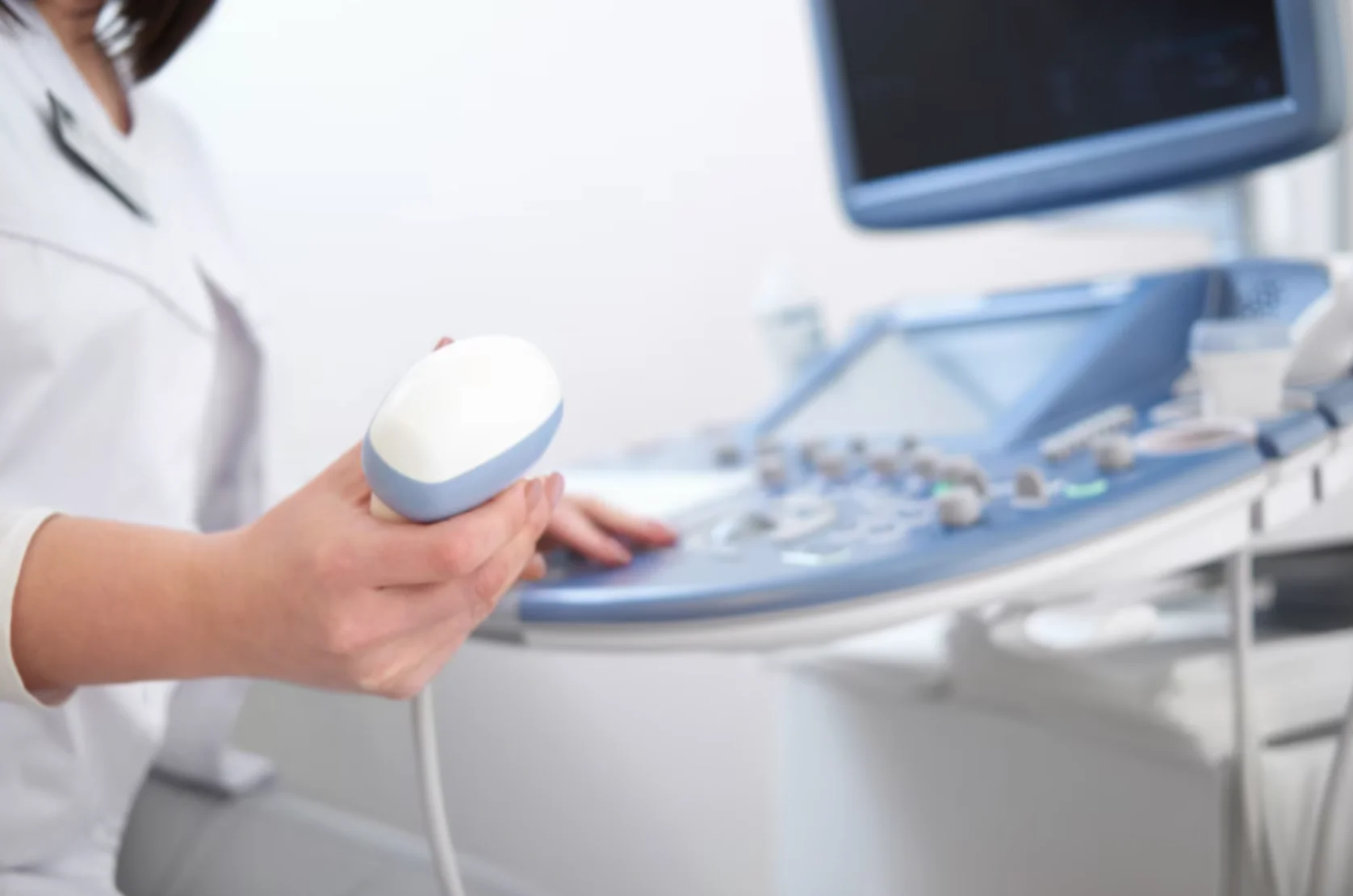
Vascular studies are non-invasive diagnostic tests used to evaluate blood vessels and assess blood flow throughout the body. These examinations can help physicians identify abnormalities affecting arteries and veins and support the evaluation of possible vascular diseases.
At Metro South Medical Center Bacoor, Cavite, vascular studies may use ultrasound technology to produce images of blood vessels and assess how blood moves through them. Depending on the patient’s symptoms and medical needs, the appropriate vascular study may be recommended by a physician.
Benefits of Vascular Studies
Vascular studies offer several benefits when evaluating blood vessels and circulation:
01. Non-invasive examination
Many vascular studies can evaluate blood vessels without surgery, incisions, or the need for invasive procedures.
02. Evaluates blood flow
Vascular studies can assess how blood moves through arteries and veins and identify changes that may require further evaluation.
03. Supports the detection of vascular disease
These studies can help physicians investigate possible conditions affecting blood vessels, including narrowing, blockages, or other abnormalities.
04. Provides real-time imaging
Vascular ultrasound can produce real-time images of blood vessels while also providing information about blood flow.
05. Helps guide medical decisions
Results from vascular studies can provide physicians with information that may support diagnosis, monitoring, and treatment planning.
06. Can assess different blood vessels
Depending on the examination requested, vascular studies may evaluate vessels in different parts of the body, including the neck, arms, and legs.
Types of Vascular Studies
There are different types of vascular studies, and the appropriate examination depends on the blood vessels being evaluated and the patient’s symptoms or medical history.
Vascular Ultrasound
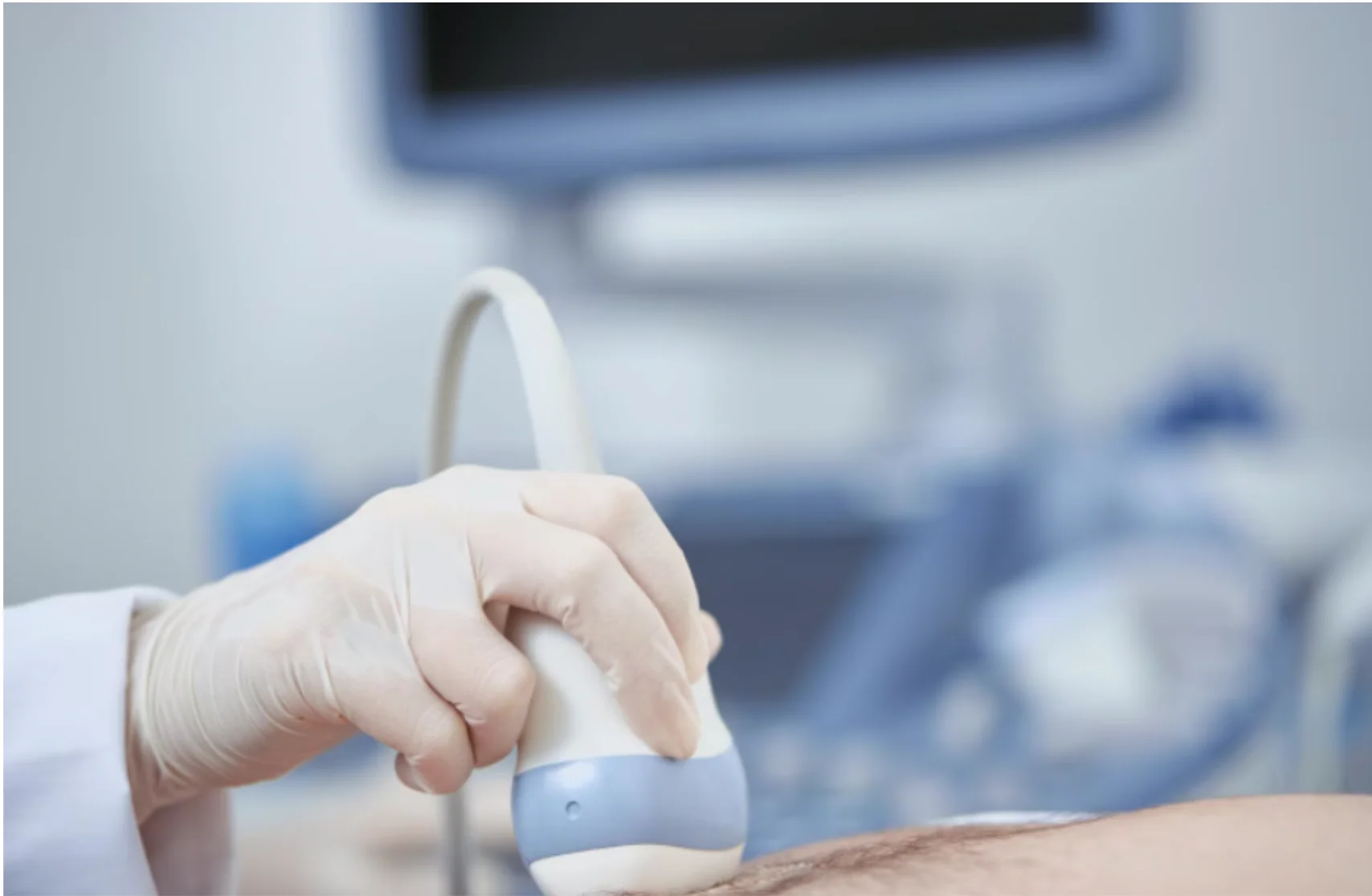
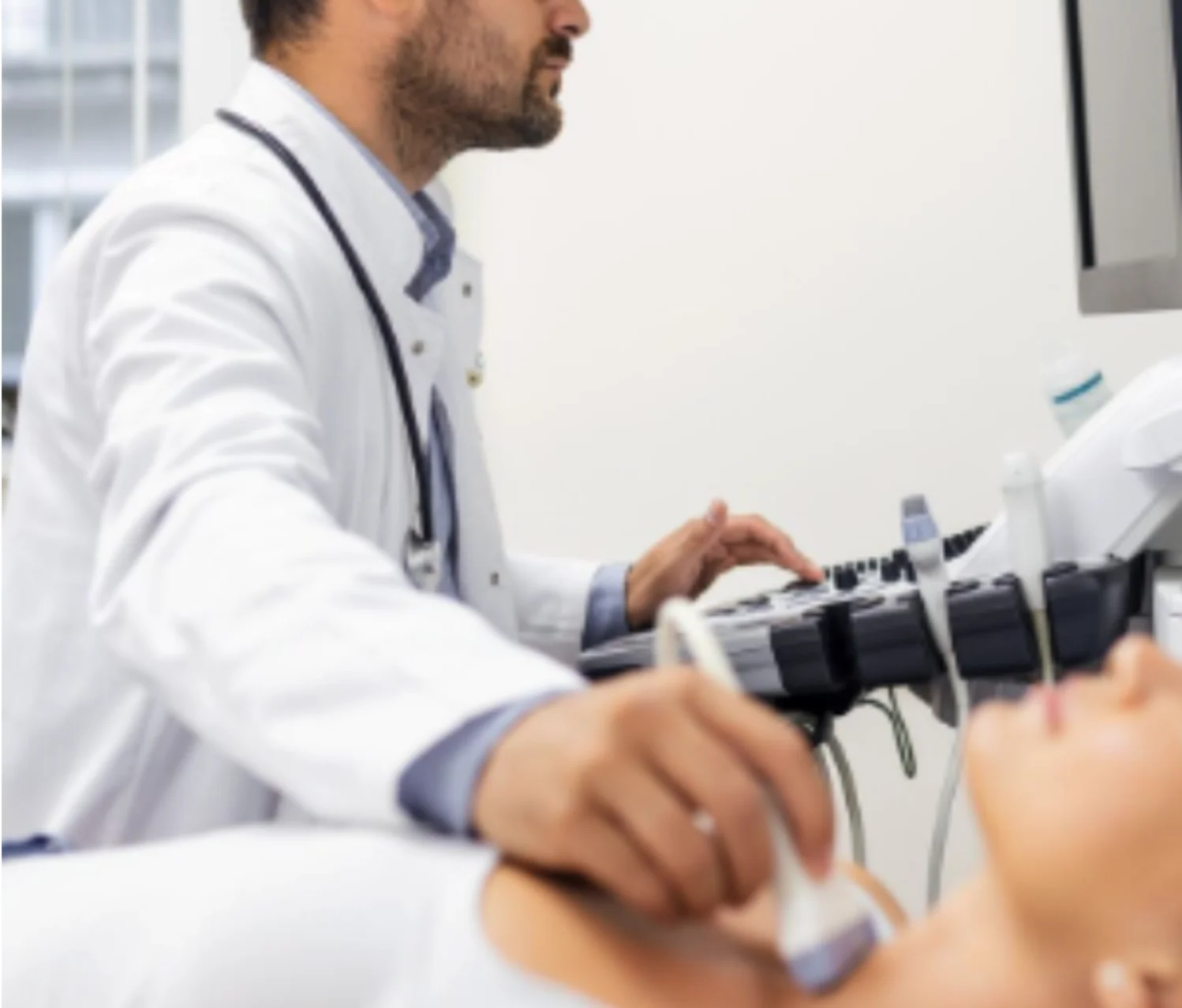
A vascular ultrasound uses high-frequency sound waves to create images of blood vessels and assess blood flow. It can be used to examine arteries and veins in different parts of the body without exposing the patient to ionizing radiation.
Vascular ultrasound may be recommended when a physician needs to investigate symptoms such as swelling, pain, changes in circulation, or other concerns involving blood vessels.
Vascular Duplex Study
A vascular duplex study combines traditional ultrasound imaging with Doppler technology to provide information about both the structure of blood vessels and the movement of blood through them.
This type of vascular study can help physicians assess blood flow and identify possible narrowing, blockages, or other abnormalities in the vessels being examined.
Arterial Studies
Arterial studies evaluate arteries and the flow of blood through them. Depending on the area being examined, these studies may help investigate symptoms associated with reduced circulation or possible arterial disease.
Venous Studies
Venous studies examine veins and blood flow returning toward the heart. They may be requested when a patient has symptoms such as swelling, pain, or other signs that require evaluation of the venous system.
Common Applications for Vascular Studies
Vascular studies may be requested for different clinical reasons depending on a patient’s symptoms, medical history, and physician’s assessment.
Evaluating circulation
Vascular studies can provide information about blood flow through specific arteries and veins.
Investigating swelling or pain
Imaging may be recommended when unexplained swelling, pain, or changes in an extremity require further evaluation.
Assessing possible blockages
A vascular duplex study can help identify changes in blood flow that may be associated with narrowing or obstruction of a blood vessel.
Evaluating vascular disease
Vascular studies can support the assessment of conditions that affect arteries and veins.
Monitoring known vascular conditions
Physicians may recommend follow-up vascular studies to monitor certain conditions or evaluate changes over time.
Assessing blood vessels before or after treatment
Vascular imaging may be used as part of the evaluation and monitoring process for certain vascular procedures or treatments.
What Can Vascular Studies Detect?
Vascular studies can provide information about the condition and function of blood vessels. Depending on the type of study performed, findings may include changes in blood flow, narrowing of blood vessels, blockages, or other vascular abnormalities.
Vascular studies may be used when evaluating possible vascular disease, including conditions that affect the circulation of the arteries or veins. The specific findings and their significance will depend on the patient’s symptoms and the blood vessels examined.
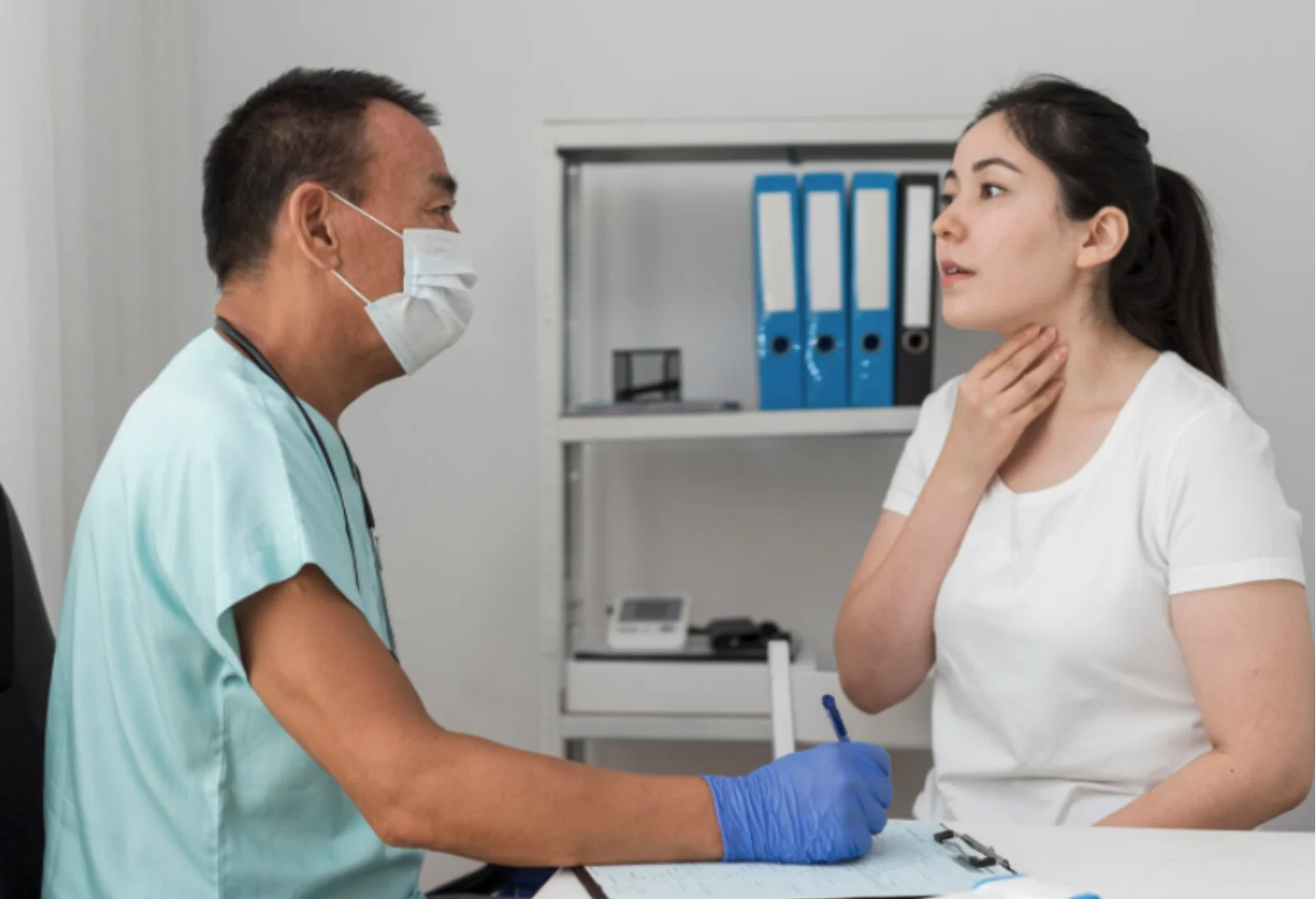
It is important to remember that vascular imaging is only one part of a medical evaluation. A physician will interpret the results together with the patient’s medical history, symptoms, physical examination, and other diagnostic findings.
Preparing for Your Vascular Study
Preparation for a vascular study depends on the specific examination being performed. Many vascular ultrasound examinations require little preparation, although instructions may vary depending on the area being examined and the type of test requested.
Before your appointment, follow instructions provided by your physician or clinician at Metro South Medical Center. Wear comfortable clothing that allows easy access to the area being examined and bring your physician request and relevant medical records or previous imaging results when applicable.
If you are unsure whether you need to fast or follow any other preparation instructions, contact the hospital before your scheduled appointment.
Understanding Your Vascular Study Results
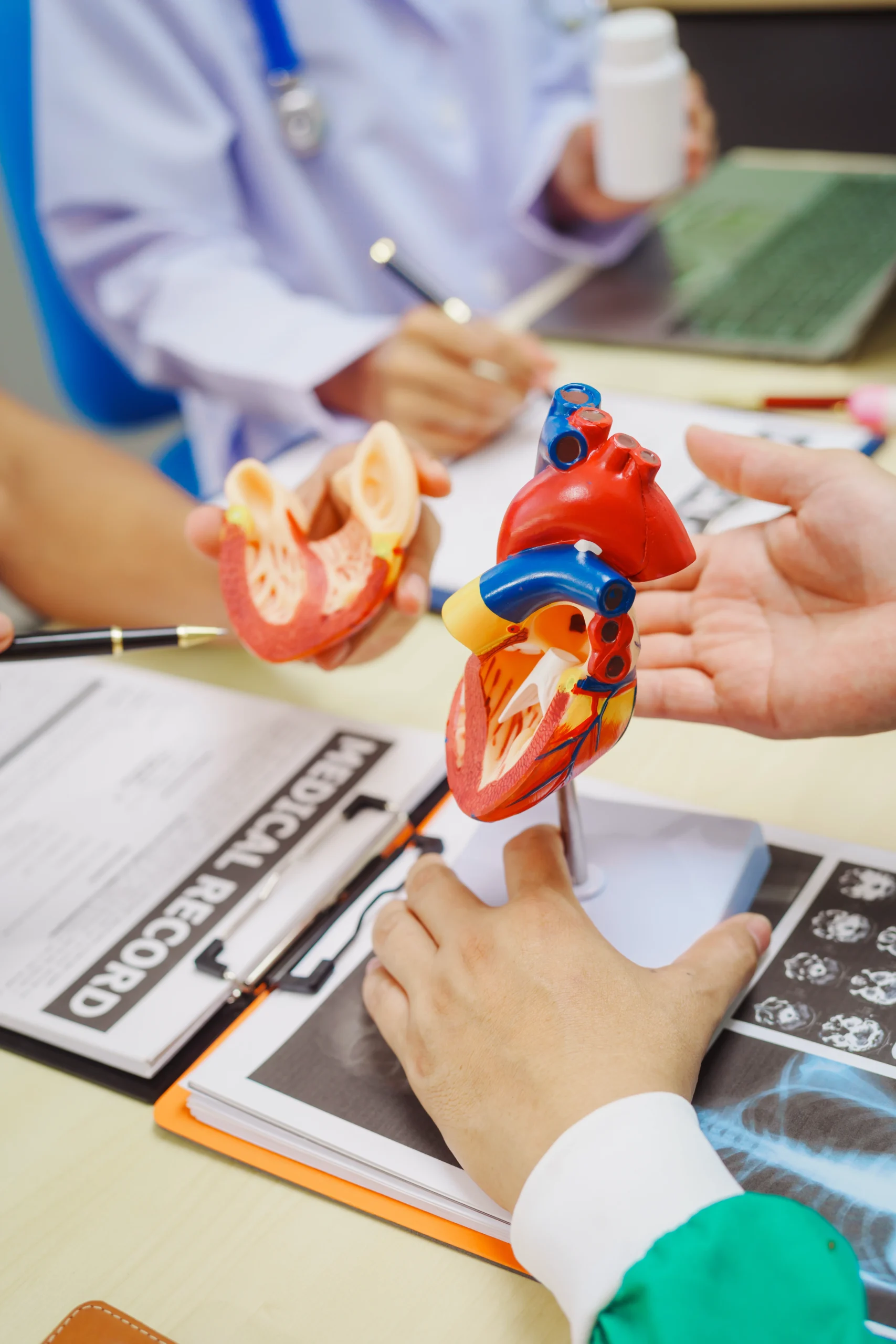
After your vascular study, the images and blood-flow information obtained during the examination are reviewed and interpreted by an appropriate healthcare professional.
Your vascular study results may describe the appearance of the blood vessels and provide information about blood flow in the area examined. Your physician can explain the findings and determine whether additional testing, monitoring, or treatment is appropriate based on your overall health and medical history.
Coordinated Vascular Care at MSMC Bacoor, Cavite
Follow your physician’s instructions
Preparation requirements may vary depending on the specific vascular study you are scheduled to undergo.
Wear comfortable clothing
Choose loose-fitting clothing that allows easy access to the area being examined, such as your arms, legs, or neck.
Follow any fasting instructions
Some vascular examinations may have specific preparation requirements. Follow the instructions provided by your physician or clinician at Metro South Medical Center.
Bring your physician’s request
Bring your laboratory or diagnostic request and any relevant medical records or previous vascular imaging results, if applicable.
Take your regular medications as instructed
Unless your physician tells you otherwise, continue taking your prescribed medications as directed.
Arrive on time for your appointment
Allow enough time for registration and preparation before your scheduled vascular study at Metro South Medical Center in Bacoor, Cavite.

Schedule Your Vascular Study at Metro South Medical Center
Need a vascular ultrasound in Cavite for a precise medical evaluation?